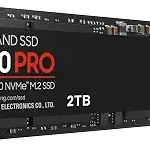
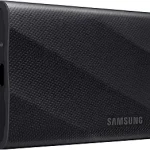
TEAMGROUP T-Force Vulcan Z 2TB SLC Cache 3D NAND TLC 2.5 Inch SATA III Internal Solid State Drive SSD (R/W Speed up to 550/500 MB/s) T253TZ002T0C101 (ASIN B09WMSVHD4)
Best 2.5 Ssd Buying Guide — Black Friday Deals 2026
Choosing a 2.5-inch SSD starts with the connection and physical fit your computer accepts, then moves to capacity, speed figures, and the price of the exact listing. These three options each offer 2 TB and a SATA interface, but their published details are not identical. The Samsung lists sequential read and write speeds, the TEAMGROUP lists read and write speeds, and the Crucial specifies compatibility with desktops and laptops that accept 2.5-inch 7mm SATA drives. For Black Friday, treat a sale label as a prompt to check the model and variant—not as proof that the offer suits your setup. This guide lays out the practical distinctions and a measured way to compare listings.
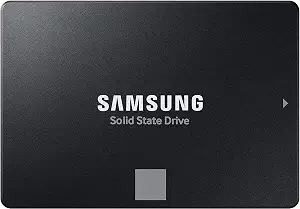
Samsung SSD 870 EVO SATA III 2.5” 2TB (ASIN B08QB93S6R)
Best Overall is the editorial label for this option among the products featured here, not the result of a comparative test. Its listed combination is straightforward: 2 TB capacity, a 2.5-inch form factor, and a Serial ATA interface. The listing also names laptop, Mac, and PC as compatible devices. Those details make it a candidate to consider when you want a single drive with a clearly stated capacity and device categories, while still checking the connection and fit requirements of your particular computer.
The published sequential figures are up to 560 MB/s for reading and up to 530 MB/s for writing. Keep the “up to” wording in view when deciding what those numbers mean for your plans: they are listed maximum sequential speeds, not a promise about every task or every computer. If your everyday use involves keeping files on an internal drive, organizing a library, or choosing a destination for applications, consider whether those stated details fit your intended setup. The supplied information does not establish how the drive will perform in a specific device or workload.
For installation planning, first confirm that your computer can take a 2.5-inch SATA drive. The product information lists a 2.5-inch form factor and Serial ATA, but it does not provide a thickness measurement here. If a device has a tight bay or a particular mounting requirement, check the device documentation and the full product listing before buying rather than assuming that a shared form factor settles every fit question. Its named compatibility with laptop, Mac, and PC is useful context, but it does not replace checking the specific model of computer.
During Black Friday, compare the exact Samsung model and capacity shown in the listing with the item selected at checkout. A deal page can draw attention to a product family or a different capacity, so confirm the displayed variant before judging the offer. This option’s Best Overall label reflects its role in this guide, not a claim that it is best for every buyer. It may suit shoppers who value the stated 2 TB capacity and both sequential speed figures; someone prioritizing explicit 7mm fit information should also consider the Crucial listing.
Key specs
Capacity
2 TB
Interface
Serial ATA
Form factor
2.5 inches
Sequential read speed
Up to 560 MB/s Sequential Read Speed
Sequential write speed
Up to 530 MB/s Sequential Write Speed
Compatible devices
Laptop, Mac, PC
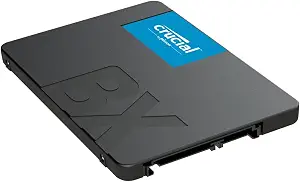
Crucial BX500 2TB 3D NAND SATA 2.5-Inch Internal SSD
Crucial BX500 2TB 3D NAND SATA 2.5-Inch Internal SSD (ASIN B07YD5F561)
Best for 2.5-inch, 7mm SATA fit checks is the guide’s label for the Crucial BX500. The reason is concrete: its product information says it is compatible with desktops and laptops that accept 2.5-inch 7mm SATA drives. That makes the statement particularly relevant if you are checking a bay or replacing a drive with a known 7mm SATA requirement. It is still important to confirm the requirements of your own computer; the label is a helpful distinction, not a guarantee for every desktop or laptop.
The listed capacity is 2 TB, the interface is SATA 6 GB/s, and the form factor is 2.5-inch. The product page also gives a read speed of 540 megabytes per second. The supplied information does not provide a write-speed figure, so avoid filling in that gap by relying on a different drive’s specifications or an assumption about the model. For a storage decision, focus on the facts that are stated and check the complete listing if a specification not provided here matters to you.
The listed dimensions are 3.95″L x 2.75″W x 0.27″Th. Keep that exact notation in mind if you need to compare physical measurements with the space available in a device. A stated dimension can help with planning, but it does not answer every installation question, such as how a particular computer secures or connects its drive. Read your device’s requirements alongside the product information, especially if you are buying for someone else and cannot check the computer directly.
In a Black Friday comparison, this option’s clearest point of distinction is its specific 2.5-inch 7mm SATA compatibility statement. Check that the listing selected at checkout is the BX500 in the intended capacity, then compare the offer on that exact item with your other options. The Best for label is limited to the fit-check detail supplied here; it does not assert that the drive wins on speed, price, or any unprovided quality. If your computer’s fit requirements are uncertain, resolve those before letting a sale prompt a quick purchase.
Key specs
Capacity
2 TB
Interface
SATA 6 GB/s
Form factor
2.5-inch
Read speed
540 megabytes_per_second
Compatibility
This drive is compatible with desktops and laptops that accept 2.5″ 7mm SATA drives
Dimensions
3.95″L x 2.75″W x 0.27″Th
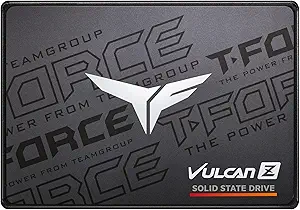
TEAMGROUP T-Force Vulcan Z 2TB SLC Cache 3D NAND TLC 2.5 Inch SATA III Internal Solid State Drive SSD (R/W Speed up to 550/500 MB/s) T253TZ002T0C101
TEAMGROUP T-Force Vulcan Z 2TB SLC Cache 3D NAND TLC 2.5 Inch SATA III Internal Solid State Drive SSD (R/W Speed up to 550/500 MB/s) T253TZ002T0C101 (ASIN B09WMSVHD4)
Best Budget is the editorial label assigned to this TEAMGROUP option within this guide; it does not imply a tested advantage or establish that its current price is lower. Its listed specifications include 2TB capacity, a 2.5-inch form factor, and a SATA III interface. The product information also identifies 3D NAND TLC memory and gives read/write speeds of up to 550/500 MB/s. Use those details to decide whether the drive matches your requirements, then evaluate the actual Black Friday offer separately.
The speed figures are presented as maximum read and write values, so keep their qualifications intact when comparing them with other listings. A speed number alone cannot tell you how the drive will behave in your own computer or for a particular activity. For a storage plan involving documents, a media collection, or other files you want on an internal drive, begin with the connection and capacity you need; treat the published speed details as one part of the decision rather than a guarantee of a particular everyday result.
The listing describes the drive as shock-resistant and vibration-resistant, and says it has reduced noise interference. These are product details to weigh in context, not a substitute for checking fit or confirming that your computer accepts the stated form factor and interface. The supplied facts do not give a thickness measurement or identify specific compatible computer models. If your device has special mounting constraints, look those up before ordering. That check is especially helpful when a sale listing provides less detail in its headline than on the complete product page.
For Black Friday, the Best Budget label can help direct attention, but make the actual offer do the work: verify the selected 2TB variant, the product identity, and the checkout price before deciding. No current discount or price is established here. This drive may be worth comparing if its 3D NAND TLC description, SATA III connection, or stated resistance details align with what you are seeking. If explicit compatibility with 2.5-inch 7mm SATA drives is important to your fit check, the Crucial product has that specific compatibility statement.
Key specs
Capacity
2TB
Memory
3D NAND TLC
Form factor
2.5 Inch
Interface
SATA III
Read/write speed
R/W Speed up to 550/500 MB/s
Resistance
Shock-resistant, vibration-resistant, and reduced noise interference
Begin with the computer’s drive bay and connection
A drive can look like a sensible purchase on a deal page and still be the wrong choice for a particular computer. Before browsing Black Friday offers, find out whether the device accepts an internal 2.5-inch drive and which SATA connection it requires. Check the computer’s documentation or identify the drive being replaced; if you cannot confirm those details, pause before ordering. A shared 2.5-inch form factor does not by itself answer every question about thickness, mounting, or connection.
The products here specify SATA in different ways: Serial ATA, SATA III, and SATA 6 GB/s. The Crucial listing additionally says it is compatible with desktops and laptops that accept 2.5-inch 7mm SATA drives. Samsung names laptop, Mac, and PC among compatible devices, while the TEAMGROUP facts provide its form factor and interface. Treat each statement as product-specific information, not as a blanket compatibility promise for every computer in a broad device category.
If you are shopping for another person, ask for the computer model or the relevant drive-bay requirements rather than guessing from its brand. A quick fit check can keep the search focused on products whose stated details line up with the device. Once you know what it accepts, you can compare the capacities and other features on equal terms. That preparation is more useful than trying to decide compatibility from a Black Friday banner or a shortened product title.
Choose capacity around the files you expect to keep
All three featured products list a capacity of 2 TB, making capacity a shared starting point rather than a distinguishing specification in this selection. Think about the role you want the drive to play: it might be a home for a collection of files, a destination for work materials, or storage for applications. Those are planning examples, not claims about a particular result. The useful question is whether the listed capacity fits your own storage plans and how you organize data.
Before Black Friday, make a simple inventory of what you intend to move or keep on the drive. Consider whether the computer already has storage for those items and whether this purchase is meant to add space or replace an existing drive. Do not assume that a capacity printed in a listing guarantees a particular amount of usable space for a specific setup; the supplied records establish the listed capacity, not the configuration of your computer or the space consumed by its software.
When comparing the exact offers, make sure each listing is for the same capacity you intended to buy. Product families may include variants, so a headline or image is not enough to confirm the selected item. If the capacity differs from your plan, re-evaluate rather than treating a lower-looking offer as equivalent. Choosing deliberately before the shopping rush also makes it easier to compare the three products on connection, fit details, memory description, and listed speed information.
Read speed claims without turning them into promises
The listed speed details use different wording, so preserve that distinction. Samsung gives sequential read and write speeds of up to 560 MB/s and up to 530 MB/s. TEAMGROUP lists read/write speed up to 550/500 MB/s. Crucial gives a read speed of 540 megabytes per second. These are the figures provided for the products; they do not establish how a drive will perform in every computer, application, or activity.
For Black Friday shopping, compare like with like where the listing permits it. Notice whether a number refers to reading, writing, or sequential operation, and whether it is qualified as “up to.” Do not treat a read figure as if it also described writing, or supply a missing specification from another product. The Crucial details here, for example, state a read speed but do not provide a write-speed figure. That is a reason to consult the full listing if write information is important to your decision.
Speed may matter differently depending on the task you have in mind, but the product facts alone cannot predict the experience on your machine. Start with compatibility and the purpose of the drive, then use the stated figures as one comparison point. If you already know that a particular specification matters, seek the exact model’s full product details and make sure the listing corresponds to the selected variant. That keeps a bold number from overshadowing fit or capacity.
Use product details to narrow the shortlist
Once you have checked the computer, compare the details that distinguish these options. Samsung provides sequential read and write figures and names laptop, Mac, and PC as compatible devices. TEAMGROUP specifies 3D NAND TLC memory and describes shock resistance, vibration resistance, and reduced noise interference. Crucial identifies compatibility with desktops and laptops that accept 2.5-inch 7mm SATA drives and supplies dimensions. Each detail can matter to a different shopper, but none should be stretched beyond what is stated.
A practical shortlist might begin with the question you most need answered. If you need an explicit 7mm SATA compatibility statement, note the Crucial listing. If memory type or the listed resistance details matter to your selection, compare TEAMGROUP’s description. If you want the supplied sequential read and write specifications in one place, review Samsung’s figures. These are ways to organize your comparison, not conclusions about which drive is superior for an unprovided requirement.
During Black Friday, read the full item description instead of relying on a category tile. Confirm the model, capacity, interface, and any fit detail you are using to make the decision. A product-family name or promotional message may not convey every variant detail. Keep a short list of your must-haves before opening competing offers; that helps you reject a listing that does not match your setup even if its presentation seems appealing.
Compare the checkout item, not just the deal headline
A useful Black Friday comparison begins with the item actually selected, not the largest message on the page. Check that the product name and capacity match your intended choice, then review the listed interface and form factor. If fit depends on a particular thickness or dimension, confirm that detail from the product information and your computer’s requirements. The Crucial facts provide dimensions and a 7mm compatibility statement; the Samsung and TEAMGROUP facts provided here do not include a thickness measurement.
Next, compare the offer displayed for the exact variant you plan to purchase. This guide has no current prices, promotions, or stock information, so it cannot establish whether a listing is discounted or available. Check the final checkout details yourself and avoid assuming that a sale message applies to every version of a product. If a price or selected variant changes while you browse, reconsider the comparison using the item now shown.
Finally, give yourself a moment to verify the fit and the purpose together. A drive that matches a stated connection may still require a separate check of the computer’s physical requirements, while a capacity that looks suitable should still match your storage plan. The best offer for you is the one that aligns with those needs at the actual checkout terms—not simply the most prominent Black Friday label. Keeping that checklist in view makes the final choice more deliberate.
Make your Black Friday choice
For a sound 2.5-inch SSD choice, settle the computer’s connection and fit requirements first, then decide whether the shared 2 TB capacity suits your plans. Compare the listed details carefully: Samsung’s sequential speed figures, TEAMGROUP’s 3D NAND TLC and resistance descriptions, and Crucial’s 2.5-inch 7mm SATA compatibility statement serve different comparison needs. During Black Friday, verify the exact model and capacity, and assess the offer shown for that item rather than assuming a promotion applies. A clear fit check and a deliberate comparison are more useful than rushing toward a headline.