Amazon Ember 75″ Mini-LED Series with Fire TV (ASIN B0C7SH9FN2)
Best 75 In Tv Buying Guide — Black Friday Deals 2026
A 75-inch TV is a substantial screen choice, so the useful question is not simply which model has the longest feature list. It is which combination of display, refresh rate, audio, and smart-TV platform best fits the way you watch. This guide compares three 75-inch 4K options, from a QLED Fire TV to Mini-LED models with gaming-oriented refresh-rate features. Black Friday can make a shortlist more tempting, but an advertised deal matters only if it applies to the exact model you want. Check the product name and variant, then weigh its listed features against your priorities rather than assuming a promotion makes every option a better fit.
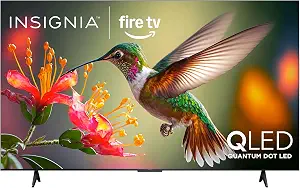
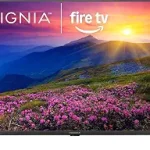
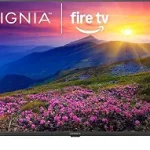
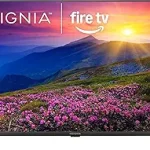
INSIGNIA 75-inch Class QF Series LED 4K UHD QLED Smart Fire TV with Alexa Voice Remote (NS75-UQFL26)
INSIGNIA 75-inch Class QF Series LED 4K UHD QLED Smart Fire TV with Alexa Voice Remote (NS75-UQFL26) (ASIN B0DWBMW3LD)
Best Budget: The INSIGNIA 75-inch Class QF Series LED 4K UHD QLED Smart Fire TV with Alexa Voice Remote (NS75-UQFL26) offers a straightforward set of specifications to compare when you want a large 4K screen. It has a 75-inch QLED display, a 60-hertz refresh rate, and FireOS. Those details help define its place in this selection: shoppers can weigh its QLED display and smart-TV platform against the Mini-LED options, then consider whether the listed refresh rate suits their viewing habits. The Best Budget label is an editorial choice among these featured products; it does not promise a particular sale price or establish that this is the lowest-priced model in the wider market.
The listing specifies four HDMI ports, Dolby Vision support, and built-in speakers with Dolby Atmos support. These are useful points to check against your own plans: count the HDMI connections your devices call for, and consider whether the named HDR and audio formats matter to the content and equipment you use. The specifications do not tell you how a particular room, program, or speaker arrangement will perform, so avoid treating format names as a substitute for deciding what your setup needs. The model name also identifies an Alexa Voice Remote, while FireOS gives shoppers a platform detail to consider alongside the Google TV and Fire TV descriptions elsewhere in this guide.
For Black Friday, look carefully at the complete product name and NS75-UQFL26 model designation before comparing an offer with another television. Verify that the screen size and variant match, then judge the deal by the features you value rather than by a discount headline alone. This Insignia may be worth considering if QLED, 4K resolution, FireOS, four HDMI ports, and the listed Dolby formats line up with your priorities. If refresh rate or another display type is central to your decision, compare those exact specifications across the shortlisted models. The Best Budget label is intended as a helpful category guide, not a claim about current prices, savings, or stock.
Key specs
Display technology
Display Technology QLED
Resolution
Resolution 4K
Refresh rate
Refresh Rate 60 hertz
Screen size
Screen Size 75 inches
HDMI ports
Total Number of HDMI Ports 4
Operating system
Operating System FireOS
HDR format
HDR Format Supported Dolby Vision
Audio
Built-in speakers with Dolby Atmos support
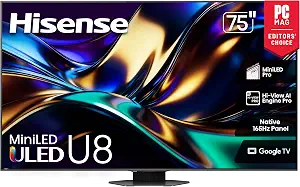
Hisense 75″ U8 Series ULED Mini-LED 4K UHD Smart Google TV (75U8QG)
Hisense 75″ U8 Series ULED Mini-LED 4K UHD Smart Google TV (75U8QG) (ASIN B0F1DV1Z1X)
Best Overall: The Hisense 75-inch U8 Series ULED Mini-LED 4K UHD Smart Google TV (75U8QG) brings together a 75-inch 4K screen, a listed refresh rate of 165 hertz, and variable refresh rate from 48Hz to 165Hz. That combination makes it a notable candidate if your viewing includes games as well as films and shows. The refresh-rate details are specific to this model; compare them with the requirements of the devices and content you actually use instead of treating a high number as a guarantee of a particular experience. Its ULED Mini-LED designation also gives shoppers a display type to compare directly with the QLED and Mini-LED descriptions of the other options.
For sound, the listing specifies 4.1.2 audio channels and Dolby Atmos encoding. Those details may be relevant if built-in audio features factor into your setup, though the specifications alone do not establish how a room will sound or whether you will prefer separate audio equipment. The TV also lists three HDMI ports, Bluetooth 5.3, and Wi-Fi 6E. Count the connections you expect to use and consider whether the listed wireless standards matter for your home, while checking the listing for any details your setup requires. The product name identifies Google TV as its smart-TV platform, giving shoppers a clear starting point when choosing between platform ecosystems.
Its Best Overall label is an editorial pick among the three products here, not a claim of measured superiority or a market-wide award. It recognizes the breadth of listed details: 4K resolution, a 165-hertz refresh rate, variable refresh rate, and specified audio and wireless features. During Black Friday, first confirm that an offer is for the 75U8QG rather than another model or screen size. Then decide whether its particular feature mix earns a place on your shortlist. If you do not expect to use the refresh-rate range or the other listed capabilities, a different model may better match your priorities. The value of the offer depends on the exact listing and the features you will use.
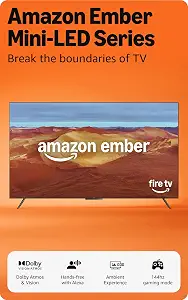
Amazon Ember 75″ Mini-LED Series with Fire TV (ASIN B0C7SH9FN2)
Best for Mini-LED picture and gaming features: The Amazon Ember 75-inch Mini-LED Series with Fire TV is listed with a 4K QLED mini-LED display, Dolby Vision IQ, and HDR10+ Adaptive. Its stated peak brightness is up to 1,400 nits, and the listing specifies 512 dimming zones. These are concrete display details to compare when you are weighing picture-related features, but they do not predict how every scene will look in your room. Consider whether the named display and HDR features are important to your viewing, and check the exact listing for the model and screen size before treating any Black Friday offer as comparable.
Gaming features are another reason this model earns its distinct label: the specifications list 144Hz and AMD FreeSync Premium Pro certification. Shoppers who care about those terms can compare them with the Hisense model’s listed refresh-rate information and consider which details align with the equipment and use they have in mind. The listing also identifies 2.1 Dolby Atmos audio. That is a specification to weigh, not a promise about how sound will come across in a particular space. For privacy-conscious shoppers, the product facts specify a switch that electronically disconnects the microphones. This offers a direct feature to examine when deciding how you want to manage microphone privacy.
The Best for Mini-LED picture and gaming features label reflects this model’s listed display, HDR, brightness, dimming-zone, and gaming specifications. It is an editorial fit among these products, not a tested verdict or a claim that it will outperform alternatives for every viewer. The product name identifies Fire TV, which also gives shoppers a platform detail for comparison. Before buying during Black Friday, make sure the offer applies to this Amazon Ember model and the intended 75-inch version. Then prioritize the specifications you will actually use: the display and HDR details, gaming features, microphone switch, or audio. A long feature list is most useful when it answers questions relevant to your own setup.
Key specs
Display
4K QLED mini-LED display
HDR formats
Dolby Vision IQ, HDR10+ Adaptive
Peak brightness
up to 1,400 nits of peak brightness
Dimming zones
512 dimming zones
Gaming
144Hz that has been AMD FreeSync Premium Pro-certified
Audio
2.1 Dolby Atmos audio
Microphone privacy
a switch that electronically disconnects the microphones
Start with the viewing you do most
A useful shortlist begins with your ordinary viewing, not with a deal banner. If you mainly watch films and shows, compare the listed display technologies and HDR formats: the Insignia specifies QLED and Dolby Vision support, the Hisense is described as ULED Mini-LED, and the Amazon Ember lists a 4K QLED mini-LED display with Dolby Vision IQ and HDR10+ Adaptive. These are not identical descriptions, so note which terms matter to you and check what the exact model listing says. They do not, by themselves, settle how an image will look in your particular room.
If games are a regular part of your plans, look closely at refresh-rate information rather than assuming every 4K television is alike. The Insignia lists 60 hertz, the Hisense lists 165 hertz and variable refresh rate from 48Hz to 165Hz, and the Ember lists 144Hz with AMD FreeSync Premium Pro certification. Match those details to your intended use and the capabilities of your equipment; the specifications do not establish that every game or device uses every feature. During Black Friday, keep the model names beside your notes so you compare the right offer. A lower advertised figure is not useful context unless the variant and feature set also match.
Read Black Friday listings beyond the headline
A Black Friday promotion is worth evaluating only after confirming what product it covers. These options have different names and model identifiers: NS75-UQFL26 for the Insignia, 75U8QG for the Hisense, and Amazon Ember 75-inch Mini-LED Series with Fire TV for the Ember. Check that the listing names the model and screen size you intend to buy. A similar product title or a picture that looks familiar is not enough to establish that two offers refer to the same variant.
Next, compare the features that would make a difference to you. An offer on a television with a feature set you will not use may be less compelling than another option that fits your needs more closely, even if the headline sounds stronger. Review the displayed price and the terms shown on the retailer’s listing at the time you shop; this guide does not establish a current promotion, discount, or stock status. Keep a short checklist of your must-haves, such as a specific platform, number of HDMI ports, or gaming-related feature. That keeps Black Friday browsing focused on the actual model and its listed specifications instead of urgency or a broad category label.
Choose a smart-TV platform that feels familiar
The platform is one of the everyday-use differences worth considering before choosing a 75-inch screen. The Insignia specifies FireOS, and its full product name identifies a Smart Fire TV with Alexa Voice Remote. The Hisense product name identifies Google TV. The Amazon Ember product name identifies Fire TV. These are useful distinctions when deciding which named platform you would rather use; the supplied product details do not describe every app, interface feature, or account requirement, so check the specific listing if any of those details are essential to you.
Think about who will use the television and what matters in the room. You may prefer to keep your new TV consistent with a platform you already know, or you may be open to a different one; either way, make the decision before a Black Friday offer narrows your attention to price alone. The remote is specifically identified in the Insignia’s product name, while the other product facts here identify their respective platforms without providing equivalent remote details. Do not assume a feature is included or excluded based on what is not listed. Confirm any needed control, app, or connection detail on the exact product page, then compare platform preference with screen and display priorities.
Count connections and weigh sound details
Connection needs are easy to overlook when shopping for a large screen. The Insignia lists four HDMI ports, the Hisense lists three, and the provided Ember facts do not specify an HDMI-port count. Count the devices you plan to connect and check the product listing for any unanswered connection questions before deciding. The difference in specified port counts is a practical comparison, but it does not show which ports or connection arrangements your own equipment requires. Confirm those details for the exact model rather than relying on assumptions.
Audio specifications also vary in how they are presented. The Insignia lists built-in speakers with Dolby Atmos support; the Hisense lists 4.1.2 audio channels and Dolby Atmos encoding; the Ember lists 2.1 Dolby Atmos audio. These details can help you decide which specifications to investigate further, but they cannot tell you how sound will suit your space or preferences. If built-in audio is important, consider the listed configuration and verify any specific audio questions on the listing. If you already have a separate sound setup, focus on confirming the connections and formats you need. Black Friday comparisons are clearer when audio and connectivity are treated as requirements, not as assumed bonuses.
Make a room-and-use checklist before you buy
Before settling on any 75-inch television, think through the room and how you expect to use the screen. The products here are all identified as 75-inch options, but their listed feature mixes differ substantially. You might put platform preference first, prioritize refresh-rate details for gaming, or focus on display and HDR specifications for the kinds of programs you watch. Those priorities can lead to different sensible choices. The facts in this guide do not provide room dimensions or viewing-distance guidance, so use your own space and the product listing to answer fit questions.
A concise checklist can keep a Black Friday decision grounded: confirm the model and screen size, identify must-have connections, note the platform you want, and select the display, refresh-rate, or audio details you value. Separate essentials from nice-to-haves. For example, a feature may sound attractive but not affect your routine; another detail, such as the listed HDMI-port count, may be central to connecting your equipment. Finally, revisit the exact offer rather than assuming a deal applies across a product family. This approach helps you compare the Insignia, Hisense, and Ember on relevant facts without treating any editorial label as proof that one television suits everyone.
Make your Black Friday choice
The strongest choice depends on which listed details solve your own shopping priorities. The Hisense stands out in this selection for its mix of refresh-rate, variable-refresh-rate, audio, and wireless specifications; the Insignia offers a 75-inch QLED FireOS option with four listed HDMI ports; and the Ember combines Mini-LED display details with specified gaming features and a microphone-disconnect switch. Those are different reasons to compare, not guarantees of a universal winner. As Black Friday offers appear, verify the exact model and variant, review the current listing, and decide whether its features justify your choice. A careful match is more useful than a headline deal on the wrong television.