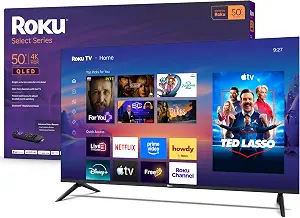
Roku 50-Inch Select Series Smart TV 2026-4K (2160p) QLED TV
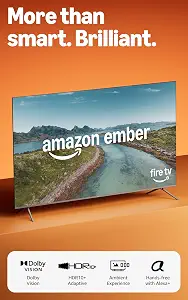
Amazon Ember 50″ QLED Series with Fire TV
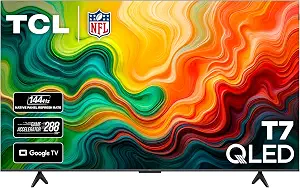
TCL 65 Inch T7 Series 4K 144Hz QLED Smart Google TV, 65T7
Best Qled Tv Buying Guide — Black Friday Deals 2026
A QLED label alone does not settle which television belongs on your shortlist. For Black Friday, start with the details that can be checked in these listings: screen size, resolution, listed refresh rate, HDR formats, operating system and connections. The three options here take different approaches. Roku’s 50-inch Select Series pairs 4K with Roku OS; Amazon’s 50-inch Ember adds a 4K QLED display, Dolby Vision and HDR10+ Adaptive; and TCL’s 65T7 lists a 65-inch 4K screen and a 144-hertz refresh rate. Those distinctions help narrow a choice, but they do not establish picture quality, current pricing or whether an offer is worthwhile. Use the guide to match documented features to your priorities, then check the exact Black Friday listing and variant before deciding.
Roku 50-Inch Select Series Smart TV 2026-4K (2160p) QLED TV
Check Price on Amazon
Roku 50-Inch Select Series Smart TV 2026-4K (2160p) QLED TV is the Best Budget choice among these products. That label identifies its role as a starting point for shoppers making a budget-focused comparison; it is not a statement that it has the lowest current price. Its documented combination is a 50-inch screen, 4K resolution, a 60-hertz refresh rate, Roku OS and four HDMI ports. Bluetooth and Wi-Fi are listed for wireless connectivity, and the VESA mount standard is 200 x 100 mm. Those specifics give you several useful checks without requiring assumptions about unlisted picture or sound performance.
This model may suit a shortlist built around a 50-inch screen and 4K resolution, particularly when those are the dimensions you have already decided to compare. The listed 60-hertz refresh rate is worth noting if refresh rate is part of your decision, but it should be read as a specification, not a complete prediction of motion appearance or suitability for a particular activity. The facts provided do not state HDR formats, brightness or other image measurements, so leave those questions open and inspect the exact product listing if they matter to you.
Roku OS is the specified operating system. If you already have a preferred smart-TV routine, compare its requirements with the platform named on the listing rather than assuming that every service or function is included. Bluetooth and Wi-Fi are also stated, though the provided details do not describe specific Bluetooth devices, network performance or other wireless capabilities. Four HDMI ports let you count available inputs against the equipment you plan to attach. Make a simple connection plan before checkout, while avoiding assumptions about the functions of individual ports.
The 200 x 100 mm VESA mount standard is useful when checking a wall-mount plan. Compare that exact specification with the mount you intend to use and confirm the selected television variant carries the same detail. If the set will sit on furniture instead, screen size and the space available may be more relevant to your decision; the listing facts here do not give the television’s overall dimensions. During Black Friday, use this Roku as a comparison point, not an automatic bargain: inspect the exact offer, model and included variant details, and judge any price you see against your own budget and priorities.
Key specs
| Resolution | Resolution 4K |
| Refresh rate | Refresh Rate 60 hertz |
| Screen size | Screen Size 50 inches |
| HDMI ports | Total Number of HDMI Ports 4 |
| Operating system | Operating System Roku OS |
| Wireless connectivity | Wireless Technology Bluetooth, Wi-Fi |
| VESA mount | VESA Mount Standard 200 x 100 mm |
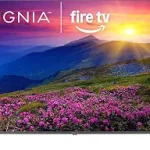
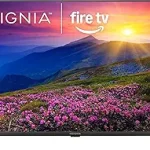
Amazon Ember 50″ QLED Series with Fire TV
Amazon Ember 50-inch QLED Series with Fire TV is the Best Overall pick in this guide because its provided details cover several different shopping considerations in one 50-inch option. It has a 4K QLED display, Dolby Vision and HDR10+ Adaptive, four HDMI inputs, Wi-Fi 6 support and a quad-core processor. Built-in sensors wake the display when you enter, while an electronic switch disconnects the microphones. These are concrete points to compare if you want display-format information, connections and specific convenience or privacy features represented in the same listing. The label is an editorial choice among these featured televisions, not a claim of tested superiority or a market-wide award.
For a household comparing HDR formats, the listing explicitly names Dolby Vision and HDR10+ Adaptive. That tells you which formats are specified; it does not promise that every film, show or other source uses either one, nor does it establish how any particular scene will look. If HDR support matters to your decision, check the formats required by the content and devices you plan to use rather than treating a longer feature list as a picture-quality verdict. The 4K QLED display is another stated specification, but the supplied details do not establish brightness, contrast or other measured picture characteristics.
The four HDMI inputs give you a straightforward connection count to consider when planning around other equipment. List the devices you expect to connect and compare that list with the inputs before buying; the available information does not say which HDMI features or capabilities each input supports. AirPlay is also listed for sharing content from compatible devices, so that feature may matter if your planned source is compatible. Wi-Fi 6 support is specified, alongside a new quad-core processor, but the details here do not quantify speed or establish how the television performs in a particular home network.
The presence-sensing behavior and microphone-disconnect switch are especially useful details to weigh according to your preferences. Sensors are described as waking the display when you enter, and the switch electronically disconnects the microphones. Consider whether those behaviors suit your room and privacy expectations rather than assuming more about their operation. For Black Friday, compare the exact Ember listing and its selected variant with alternatives, and verify that the display, HDR, input and privacy details still match the item in your cart. No current offer or price advantage is established here.
Key specs
| Display | 4K QLED display |
| HDR | Dolby Vision and HDR10+ Adaptive |
| Processor and Wi-Fi | Wi-Fi 6 support and a new quad-core processor |
| Presence sensing | Built-in sensors wake the display when you enter |
| HDMI inputs | four HDMI inputs |
| AirPlay | Use AirPlay to share content from compatible devices to your TV |
| Microphone privacy | a switch that electronically disconnects the microphones |
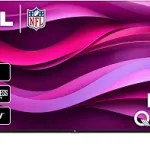
TCL 65 Inch T7 Series 4K 144Hz QLED Smart Google TV, 65T7
Check Price on Amazon
TCL 65 Inch T7 Series 4K 144Hz QLED Smart Google TV, 65T7, is the Best for a Higher Listed Refresh Rate option in this guide. Its listing specifies 144 hertz, a 65-inch screen and 4K resolution. The label points to the refresh-rate specification as a reason to consider it; it does not claim measured superiority, and it is not a prediction of how a particular source will look. If you are comparing televisions partly by their stated refresh rates, this model gives you a clearly identified figure to weigh alongside screen size, operating system and the rest of the listed details.
The larger listed screen may be relevant if you are choosing for a room where a 65-inch television fits your viewing plan. The provided facts do not include viewing distance, overall dimensions or picture-quality measurements, so those should be checked separately against your own space and needs. Its 4K resolution is stated, as are Dolby Vision, HDR10, HDR10+, HLG and Open HDR. Treat that list as format information rather than a promise that every program or connected source will use every format. Your content and devices remain part of the comparison.
Google TV is the named operating system, and Bluetooth and Wi-Fi are listed as wireless technologies. These details help identify the platform and connection types to consider when comparing the television with your routine, but do not establish app availability, network performance or compatibility with a particular device. Four HDMI ports provide a listed input count for planning connected equipment. If you use multiple sources, write them down and check the exact input requirements; the facts provided do not specify port-by-port capabilities.
For mounting, the listed VESA specification is 400 x 300 mm. Compare that exact format with the mount you plan to use rather than relying on a generic description of fit. During Black Friday, the 65T7’s screen size and refresh-rate listing make a distinct comparison point, but neither feature alone establishes value. Check that the exact model and variant in the offer are the ones you intended, and review the available price and listing details directly. If the larger screen or its listed refresh rate is not a priority, weigh those specifications against the other models’ documented features instead of choosing by a headline figure.
Key specs
| Screen size | 65 inches |
| Resolution | 4K |
| Refresh rate | 144 hertz |
| HDR formats | Dolby Vision, HDR10, HDR10+, HLG, Open HDR |
| Operating system | Google TV |
| HDMI ports | 4 |
| Wireless technology | Bluetooth, Wi-Fi |
| VESA mount | 400 x 300 mm |
Use the room and viewing plan to narrow Black Friday choices
Begin by deciding what size category makes sense for the place where the television will go. The provided options include two 50-inch models and one 65-inch model. Those screen-size specifications can help organize a shortlist, but they do not provide the sets’ overall dimensions or tell you how far away to sit. Measure the available space and consider your intended placement before treating a listed screen size as a fit guarantee. If you expect to mount the set, separately check the model’s stated VESA specification against your mounting plan.
Resolution is another useful filter: all three listings specify 4K, although the Roku record also presents it as 4K (2160p). Since that feature does not distinguish these options in the supplied facts, give more attention to the differences that do: screen size, refresh rate, HDR formats, platform and connection details. Avoid assuming that a shared resolution means the televisions will produce identical images; the records do not provide measurements that would support that conclusion.
On Black Friday, a large-screen headline or QLED label can draw attention away from practical fit. Make a short list of what your room requires before browsing, then check whether the exact variant shown in an offer is the one you compared. If space and mounting are uncertain, resolve those questions first. A price comparison is more useful once you know which screen sizes and mounting details are actually viable for your setup.
Treat refresh-rate numbers as one part of the Black Friday comparison
The listings give two distinct refresh-rate details: Roku specifies 60 hertz, while TCL specifies 144 hertz. No refresh-rate figure is included in the provided Ember facts. Use these specifications to identify what each record explicitly states, not to infer unlisted performance or to conclude that a higher number guarantees a better experience for every viewer. The supplied records do not include motion measurements, source requirements or other evidence for such a judgment.
Think about why you are comparing refresh rates in the first place. If a stated figure is important to your shortlist, check that it appears on the exact product and variant you are considering. If it is not a deciding factor, you may get more value from examining screen size, HDR formats, operating system and available inputs. A specification can answer a narrow question without answering whether the television suits your room or the content you plan to watch.
When a Black Friday listing emphasizes a refresh-rate figure, read the rest of the model description as well. Confirm the model name and compare the other specifications with your notes, especially if several variants appear together. Do not treat the event label as evidence that one set is a better match or that its listed figure describes every mode of use. The goal is a choice based on your priorities and the information actually provided.
Read HDR format names as a compatibility checklist
HDR information differs across these records. Amazon Ember lists Dolby Vision and HDR10+ Adaptive. TCL lists Dolby Vision, HDR10, HDR10+, HLG and Open HDR. No HDR formats are specified in the Roku facts supplied here. That difference can guide a compatibility check, but a list of formats does not establish picture quality or mean that every source is delivered in those formats. Avoid treating the longest list as a universal quality ranking.
If you have a particular content source in mind, identify its format requirements and compare them with the formats explicitly named for the television. The product records do not describe every source, service or connected device, so verify those details where they matter. Likewise, an unlisted format in these facts is not proof that the television lacks it; it simply cannot be confirmed from the information in this guide.
Use this as a focused question during a Black Friday comparison rather than allowing format names to overwhelm the rest of the decision. Check the exact model and listing, then weigh HDR details against the size, platform, inputs and refresh-rate information you care about. If your planned content does not make HDR format support a deciding factor, other documented features may be more useful filters.
Match the named platform and sharing options to your routine
The operating systems identified here are Roku OS on the Roku Select Series, Fire TV in the Amazon Ember product name and Google TV on the TCL 65T7. These names help you compare the platform specified for each television, but the supplied facts do not establish which apps, services or interface behaviors are available. If a particular platform is important to your household, verify the details for the exact model rather than relying on a general assumption about what an operating-system label includes.
Amazon Ember additionally lists AirPlay for sharing content from compatible devices. The compatibility qualification matters: consider whether the devices you plan to use are compatible, and check any details you need before buying. The listing also describes sensors that wake the display when you enter and a switch that electronically disconnects the microphones. These are specific features to consider according to your preferences, not evidence about unrelated functions.
For Black Friday, compare platforms by writing down what you actually need: a familiar operating system, a listed sharing method or a particular privacy control. Then verify each point against the exact listing. Wi-Fi is listed for the Roku and TCL, while Ember specifies Wi-Fi 6 support. The facts do not compare real-world network performance, so avoid choosing solely on a presumed speed advantage.
Count inputs, then confirm the exact offer and mounting details
Each product record specifies four HDMI inputs or ports. That shared count is a useful starting point, not a complete description of what each connection supports. List the equipment you plan to connect and check the detailed listing for any port-specific requirements that matter to you. The facts here do not identify individual port capabilities, so do not assume all inputs behave identically or support a feature that is not stated.
Mounting information differs in the records: Roku lists 200 x 100 mm, and TCL lists 400 x 300 mm. The Ember details provided do not specify a VESA mount standard. Compare an exact stated measurement with your planned mount and verify the television variant before purchase. A missing mount detail in this guide is not confirmation that a particular set cannot be mounted; it means you should check the product listing if that question affects your decision.
Before completing a Black Friday purchase, compare the exact model name, selected variant and details shown in the offer with the notes you used to make your shortlist. This guide does not establish active promotions, prices, stock or seller policies. Review the offer as it appears to you and decide whether it fits your budget. Keeping the comparison tied to a specific model helps prevent an event banner or similar product name from substituting for a feature check.
Make your Black Friday choice
There is no single specification here that settles every QLED purchase. Choose the Roku if its documented 50-inch size, Roku OS and connection details align with your priorities; consider the Ember for its named HDR formats, AirPlay and listed privacy features; or weigh the TCL’s 65-inch screen and 144-hertz refresh-rate listing if those details matter to you. These are comparisons among the featured products, not promises about performance or price. During Black Friday, verify the exact model and offer, revisit your room and connection needs, and use only the features you have confirmed to make the final choice.