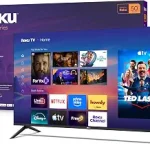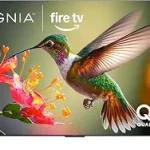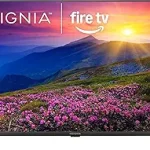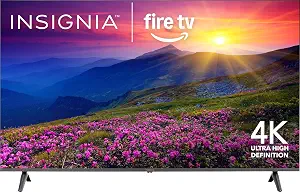
Insignia 65″ Class F50 Series LED 4K UHD Smart Fire TV
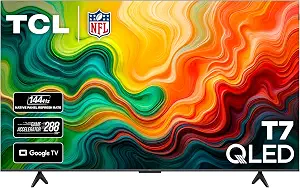
TCL 65 Inch T7 Series 4K 144Hz QLED Smart Google TV, 65T7
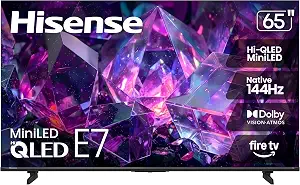
Hisense 65″ E7 Cinema Series Hi-QLED Mini-LED 4K UHD Smart Fire TV (65E7SF)
Best 65 Tv Buying Guide — Black Friday Deals 2026
A 65-inch television can serve different priorities: a straightforward screen for everyday viewing, a higher listed refresh rate for people who care about motion, or a Mini-LED display for shoppers drawn to that panel description. This guide compares three 4K choices by the facts available, not by assumed picture results or a promised deal. For Black Friday, begin by deciding what you want the television to do in your home, then compare the exact model and offer rather than relying on a broad series name. Screen size is shared here; display type, refresh rate, operating system, HDR formats and connections distinguish the options.
Insignia 65″ Class F50 Series LED 4K UHD Smart Fire TV
Check Price on Amazon
If your priority is a simple 65-inch 4K television and a restrained feature set is appealing, this Insignia is the Best Budget pick among the three listed options. That label reflects an editorial fit, not a claim about current pricing or a measured advantage. Its specifications include a 60 hertz refresh rate, Direct LED backlight and HDR10. These details give you concrete points to compare with your own viewing needs: consider whether the listed refresh rate suits the sources you watch and whether HDR10 is among the formats you want to account for. During Black Friday, use the exact product listing to confirm the model and offer you are evaluating.
The Fire TV platform may be a useful deciding point if you prefer that television environment. The provided facts identify the operating system as Fire TV, but do not list specific apps or services, so check any entertainment services that matter to you on the product page before buying. DTS Virtual-X is the listed audio feature; treat that name as a specification to compare rather than a guarantee of how sound will work in your room. If audio is central to your decision, consider what you want to verify about sound before committing.
Connections and installation deserve a practical check before checkout. This set has three HDMI ports, so list the devices you expect to connect and decide whether that total meets your setup. Its wall-mount pattern is VESA 400 × 300; compare that exact pattern with your mounting plan rather than assuming a bracket will fit. Black Friday can make several listings look similar, so verify that the offer is for this 65-inch F50 Series model, then weigh its 4K resolution, HDR10, 60 hertz rate and connection count against your priorities. If those specifications align with your needs, the Best Budget designation may help you place it on a shortlist without implying a sale price or market-wide ranking.
Key specs
| Screen size | 65 inches |
| Resolution | 4K |
| Refresh rate | 60 hertz |
| HDR format | HDR10 |
| Backlight | Direct LED |
| Audio | DTS Virtual-X |
| HDMI ports | 3 HDMI ports |
| Wall mount pattern | VESA pattern 400 × 300 |
TCL 65 Inch T7 Series 4K 144Hz QLED Smart Google TV, 65T7
Check Price on Amazon
This TCL is the Best Overall choice in this guide for shoppers who want a mix of listed display, platform and connection features to compare. The editorial label does not mean it has been tested or is best for every household. The 65-inch 4K television has a 144 hertz refresh rate and a QLED display, plus Google TV as its operating system. If motion specifications are a priority for you, the listed rate gives you a clear point to compare against other models; it does not by itself establish how a particular program or game will look. For Black Friday, check that the offer is attached to this exact T7 model before comparing it with other 65-inch sets.
Its HDR format list includes Dolby Vision, HDR10, HDR10+, HLG and Open HDR. That breadth may matter if you want to compare format support across the content sources you use, but the list should not be treated as a promise that every source uses every format. Think about which formats matter in your household, then use the product details to confirm the listed support. Google TV is another point for self-assessment: consider whether you want that platform, and verify the services and functions you care about rather than assuming them from the operating-system name.
The four HDMI ports offer a useful connection-count detail for shoppers planning around several devices. Write down what you expect to attach and compare that list with the port count. Bluetooth and Wi-Fi are also listed wireless technologies. For installation planning, the VESA mount is specified as 400 x 300 mm; check that exact notation against your intended mount. These practical details can help distinguish this model from options with other port counts or platform labels. Black Friday comparisons should include the exact model, not merely a similar screen size or series name, and the final choice should reflect the features you will actually use. The Best Overall label is a guide to this article’s comparison, not a substitute for that decision.
Key specs
| Screen size | 65 inches |
| Resolution | 4K |
| Refresh rate | 144 hertz |
| HDR formats | Dolby Vision, HDR10, HDR10+, HLG, Open HDR |
| Operating system | Google TV |
| HDMI ports | 4 |
| Wireless technology | Bluetooth, Wi-Fi |
| VESA mount | 400 x 300 mm |
Hisense 65″ E7 Cinema Series Hi-QLED Mini-LED 4K UHD Smart Fire TV (65E7SF)
Check Price on Amazon
Choose this Hisense if the Mini-LED designation is a central part of your shortlist. It is the Best for Mini-LED selection here because Mini-LED is explicitly listed as its display technology, not because this guide claims superior measured picture quality. The 65-inch screen has 4K resolution and a 144 hertz refresh rate. Those are separate details to consider: resolution describes the listed format, while the refresh-rate figure may be relevant if motion specifications are part of your comparison. Black Friday listings can vary in how they present product names, so match the offer to the complete E7 Cinema Series model designation before deciding.
The HDR formats listed are Dolby Vision, Dolby Vision IQ, HDR 10+, HDR10 and HDR10+ Adaptive. If you have a preferred format or want to compare support among the televisions in this guide, this list gives you specific terms to check. It does not establish what formats a particular program provides or predict the resulting picture. The operating system is FireOS. Consider whether that is the platform you want to use, and confirm any particular service or feature you need in the listing rather than inferring it from the platform name.
Four HDMI ports provide a concrete starting point for connection planning. Count the devices you intend to connect and decide whether that number works for your setup; the available facts do not specify additional connection details. This model’s combination of Mini-LED, 144 hertz, 4K, multiple listed HDR formats and FireOS offers several comparison points, but the best fit depends on which of those matter to you. For Black Friday, compare the exact variant and offer against your own checklist instead of assuming the feature-rich description automatically makes it the right purchase. The Best for Mini-LED label is a focused editorial cue for shoppers who specifically want that listed display technology.
Key specs
| Screen size | 65 inches |
| Resolution | 4K |
| Display technology | Mini-LED |
| Refresh rate | 144 hertz |
| HDR formats | Dolby Vision, Dolby Vision IQ, HDR 10+, HDR10, HDR10+ Adaptive |
| HDMI ports | Total Number of HDMI Ports 4 |
| Operating system | FireOS |
Picture out the routine, not just the screen size
All three options are 65-inch 4K televisions, so start with the habits that make one set of specifications more relevant than another. Ask what you watch most, how much attention you give to motion specifications, and whether you already have a preferred display technology or HDR format. The Insignia lists Direct LED, HDR10 and a 60 hertz refresh rate. The TCL lists QLED, a 144 hertz rate and several HDR formats; the Hisense lists Mini-LED, a 144 hertz rate and several HDR formats. These are useful comparison points, but they do not prove how the sets will look in your room.
For Black Friday, write your priorities down before looking at offers. If you mainly want a straightforward 4K television, keep the Insignia in view without assuming it will be discounted. If the listed refresh rate or display description carries more weight for you, compare the TCL and Hisense on those specific terms. Your decision should follow the use you expect, not a label that sounds impressive on its own. A specification can narrow your shortlist; it cannot replace checking the precise listing, the feature that matters to you, and the complete model name.
Treat HDR names as a compatibility checklist
HDR terminology is easiest to use when you connect it to your actual viewing sources. The Insignia lists HDR10. The TCL lists Dolby Vision, HDR10, HDR10+, HLG and Open HDR. The Hisense lists Dolby Vision, Dolby Vision IQ, HDR 10+, HDR10 and HDR10+ Adaptive. If you already know a source or title uses a format you care about, use these lists to compare stated support. If you are unsure, first identify the formats relevant to your sources instead of treating the longest list as an automatic winner.
Do not assume that a format name guarantees a particular viewing result, or that every source offers every format. During Black Friday, product descriptions may put HDR labels near deal information, but the useful question is whether the exact television supports the formats you are looking for. Keep the manufacturer’s wording in view as you compare: Dolby Vision IQ and Dolby Vision, for example, appear as separate listed terms on the Hisense. Make a short note of the terms you want, then return to the exact model listing to confirm them before purchase.
Match the platform to your household’s habits
The operating-system names can help you sort these choices if you have a preference. The Insignia is a Fire TV, the TCL uses Google TV, and the Hisense uses FireOS. Consider which environment you want to navigate and whether the television will fit with the services and routines you already use. The provided specifications do not enumerate apps or describe particular interface functions, so verify specific services or capabilities directly in the listing if they are important to you.
Keep the platform decision separate from the display decision. A shopper drawn to the TCL’s 144 hertz rate might still prefer to research its Google TV environment; someone considering either Fire-based option can compare its other stated features before deciding. Black Friday can put platform names beside prominent offer details, but an offer does not establish that a platform meets your needs. Before you buy, write down the services or functions you want to confirm and check them against the exact product information. That small step helps turn a broad preference into a practical purchase criterion.
Count connections before choosing a setup
Think through the devices you expect to connect before narrowing your television choice. The Insignia lists three HDMI ports, while the TCL and Hisense each list four. Count your intended connections, then decide whether the stated number suits your setup. The TCL also lists Bluetooth and Wi-Fi as wireless technologies. These details may help you compare the information available, but do not assume that a device will connect in a particular way unless the product listing confirms it.
Mounting is another straightforward check. The Insignia gives its wall-mount pattern as VESA 400 × 300; the TCL specifies 400 x 300 mm. Match the exact notation and dimensions to your mounting plan and the mount information before ordering. The provided Hisense facts do not give a mount pattern, so consult its listing if wall installation is a requirement. In a Black Friday rush, a port count or mounting detail can be easy to overlook while comparing offers. Keep both on your checklist and verify them against the precise model rather than relying on a similarly named television.
Compare the offer with the model you actually want
An attractive Black Friday presentation is only useful if it applies to the television you mean to buy. Match the exact product name and model details, confirm the screen size, and compare the specifications that drove your shortlist. Do not treat a category heading or series name as proof that two listings describe the same variant. This guide does not provide sale prices, discount amounts, availability or seller terms, so you will need to evaluate those details on the offer itself.
Use a simple decision order: settle on your key features, verify the exact model, then assess the offer in front of you. For the Insignia, that might mean confirming its 60 hertz rate, HDR10 and three HDMI ports. For the TCL, it might mean confirming Google TV, the 144 hertz rate and its listed HDR formats. For the Hisense, check the Mini-LED description, FireOS and its stated connections. Black Friday should be a timing opportunity to compare, not a reason to skip the checks that make the purchase suitable.
Make your Black Friday choice
The right 65-inch choice depends on which listed features will matter in your everyday routine. The Insignia gives you a 4K Fire TV with HDR10, Direct LED and three HDMI ports; the TCL pairs Google TV with QLED, a 144 hertz rate and four HDMI ports; the Hisense identifies Mini-LED, FireOS and a range of HDR formats. Use those distinctions to build a shortlist, then verify the exact model and current offer. A Black Friday deal is worth considering only when its variant and features match your plans. Let your own priorities—not a label or presumed discount—settle the comparison.