Best External Ssd Buying Guide — Black Friday Deals 2026
An external SSD can serve as a working space for large files, a place to keep a separate copy of important material, or extra storage for a compatible device. For Black Friday, start with the job rather than a headline speed: decide what you plan to connect, how much space you need, and whether portability or encryption matters to your routine. The Lexar ES3, SANDISK Portable SSD, and Samsung T9 offer different combinations of capacity, interface, speed information, and security features. Their listed specifications are useful for narrowing the field, but they do not establish that every device will reach a stated maximum or that an offer is worthwhile. Compare the exact model and configuration before buying, and treat any Black Friday promotion as something to verify on the listing rather than assume.
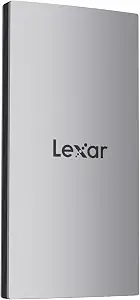
The Lexar ES3 1TB Portable SSD is the Best Overall choice in this selection for shoppers who want a clearly specified mix of capacity, portability, and supported device range. Its 1 TB capacity gives you room to plan a dedicated collection of files, while the listed weight of 42g and thickness of 10.5mm make its physical profile easy to consider for a bag or desk setup. It comes with a Type-C cable, so you have a cable included when planning the connection. Those details make it a practical option to investigate for moving between compatible devices, rather than a drive whose appeal rests on speed figures alone.
Lexar lists read speeds up to 1050MB/s and write speeds up to 1000MB/s, with an important qualification: performance may be lower if the system does not support USB 3.2 Gen 2. That caveat matters when matching it to a laptop or other host; the drive’s maximum figures should not be treated as guaranteed transfer results in every setup. The listed compatibility includes iPhone 17 series, Android mobile devices, laptops, cameras, Xbox X|S, PS4, PS5, and other devices. The listing specifically says iPhone 14 and older models are not supported, so check your phone generation rather than assuming that a Type-C connection alone establishes compatibility.
Lexar also lists DataShield 256-bit AES encryption software. That can make the model worth considering if software-based encryption is relevant to how you organize files, but it is a separate consideration from physical handling and device fit. Before a Black Friday purchase, confirm that the listing is for the ES3 1TB model and review the connection requirements alongside the device you intend to use. The Best Overall label is an editorial choice among these featured options, not a claim of tested superiority or a market-wide award. Choose it when the listed device range and compact dimensions suit your routine; look elsewhere if your priority is a 2 TB listed capacity or the Samsung’s stated hardware encryption.
Key specs
Capacity
1 TB
Read and write speeds
up to 1050MB/s read and 1000MB/s write
Speed qualification
Performance may be lower if not supporting USB 3.2 Gen 2 on Mac and other systems
Compatibility
iPhone 17 series (Not supported on iPhone 14 and older models), Android mobile devices, laptops, cameras, Xbox X|S, PS4, PS5, gaming console, and more
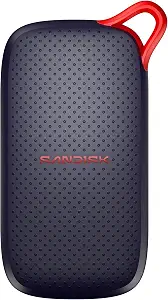
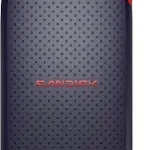
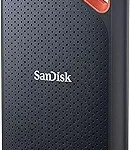
The SANDISK 1TB Portable SSD carries the Best Budget label for this guide, but that is an editorial category choice, not a statement about its current price or a guarantee that it will be the least expensive offer. Its specifications are straightforward to compare: 1 TB capacity, a USB 3.0 interface, and read speeds up to 1000 MB/s. The listing does not provide a write-speed figure here, so shoppers comparing transfer needs should not fill that gap with an assumption. Instead, consider whether its stated capacity and interface match the way you plan to use an external drive.
For a simple storage plan, you might set aside an external drive for a particular group of files or use it as a companion to a computer with a compatible connection. The product listing also gives drop protection up to 2 meters, which is a useful detail to weigh if the drive may travel with you. It is not a reason to treat the SSD as invulnerable: use sensible care when packing and handling it. The listed weight is 1.12 ounces, and the dimensions are 1.77″L x 3.35″W x 0.39″Th. These specifics help you judge whether its form fits your carry setup without relying on vague descriptions of compactness.
Unlike the Lexar and Samsung entries, the provided SANDISK details do not state an encryption feature or a device compatibility list. That does not establish that such features are absent; it simply means shoppers should verify any requirement on the exact product listing before deciding. During Black Friday, check that the offer corresponds to this 1TB Portable SSD and that the listed interface and capacity suit the intended host. The Best Budget designation helps identify its role in this comparison, but it cannot substitute for checking the actual offer or your connection. Consider this model when the stated capacity, USB 3.0 interface, and drop-protection information are the details you value most.
Key specs
Capacity
Digital Storage Capacity 1 TB
Interface
Hard Disk Interface USB 3.0
Read speed
read speeds up to 1000 MB/s(2)
Drop protection
drop protection up to 2 meters(3)
Weight
Item Weight 1.12 ounces
Dimensions
Item Dimensions L x W x Thickness 1.77″L x 3.35″W x 0.39″Th
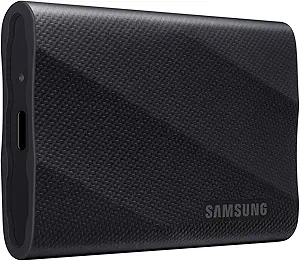
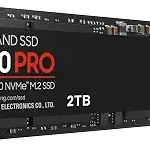
The Samsung T9 Portable SSD 2TB is the Best for Higher-Capacity Transfers pick among these products. Its 2 TB capacity is the largest listed here, making it a natural candidate to consider when a 1 TB drive would not fit your planned file collection. Samsung specifies a USB 3.2 Gen 2×2 interface and speeds up to 2,000MB/s. Those numbers can help you screen for a suitable setup, but the stated maximum is not a promise of the same result with every host, cable, or workflow. Check the connection capabilities of the device you intend to use before treating the speed figure as decisive.
The T9 lists hardware encryption, which distinguishes its stated security approach from the software encryption specified for the Lexar. If encryption is part of your decision, think about how that feature fits your own file-handling practices and verify relevant setup details in the product information. The listed dimensions are 3.46″L x 2.36″W x 0.55″Th, and its weight is 122 g. Those measurements give you concrete information for deciding whether it belongs in a travel pouch, stays beside a computer, or needs a dedicated spot in your everyday setup.
Samsung also states support for iPhone 15 Pro Res 4K at 60fps video. That is a specific compatibility detail, not a general promise for every iPhone model or recording setup, so match it to the exact phone and workflow you have in mind. For Black Friday, verify that the listing is for the T9 2TB configuration and compare the interface and supported use with your device before weighing the offer. Its Best for Higher-Capacity Transfers label describes why it stands out in this particular group: the listed capacity is 2 TB and the stated interface and speed figures are relevant to transfer planning. It is not a claim based on independent testing.
Key specs
Capacity
Digital Storage Capacity 2 TB
Interface
USB 3.2 Gen 2×2
Speed
up to 2,000MB/s
Encryption
Hardware Encryption
Dimensions
3.46″L x 2.36″W x 0.55″Th
Weight
122 g
iPhone support
Supports iPhone 15 Pro Res 4K at 60fps video
Begin with the device and the job
Before browsing Black Friday listings, write down the device you expect to connect and what you want the drive to do. A drive used to move files between a laptop and a phone has a different planning question from one intended to stay beside a computer. If the use involves a camera, console, or a particular phone model, check the product’s stated compatibility rather than relying on the broad idea that external SSDs work everywhere. Lexar provides a list that names several device types and identifies an iPhone-generation limitation; Samsung gives a specific iPhone 15 Pro video-use statement. The SANDISK facts here identify USB 3.0, but do not provide an equivalent device list.
Connection details deserve their own check. Lexar’s speed qualification names USB 3.2 Gen 2 support as relevant to performance, while Samsung lists USB 3.2 Gen 2×2. SANDISK lists USB 3.0. These interface descriptions are not interchangeable promises of identical results. Confirm what your host supports and whether you have the connection arrangement needed for your intended workflow. The Lexar includes a Type-C cable, but that detail alone does not answer every compatibility question. For a Black Friday purchase, make a short device-and-use checklist first, then compare only offers whose exact model and listed connection details fit it.
Choose storage around the files you keep
Capacity is most useful when tied to a real plan. Consider whether you want a portable working collection, a place for selected projects, or room to gather files from more than one device. The Lexar and SANDISK models each list 1 TB; the Samsung T9 lists 2 TB. That makes the Samsung the higher-capacity option among these three records, but it does not automatically make it the right choice for every shopper. A larger listed capacity may matter if your expected collection needs more room, while a 1 TB option may be a better match when that is enough for the files you intend to carry.
Avoid judging capacity only by a dramatic Black Friday offer label. First estimate your existing files and the kinds of material you plan to add, then decide what headroom would be useful. If you are unsure, separate must-have files from material that can remain elsewhere. That exercise can prevent buying based on a vague sense that more space is always better. Confirm that the product page and selected configuration state the capacity you chose; do not assume a nearby listing or variant has the same specification. The appropriate comparison is not simply the largest number, but the capacity that supports your planned use without pushing you into a model whose other details are a poor fit.
Read speed figures with their conditions
A maximum speed can help distinguish the specifications on paper, but it is only one part of a transfer setup. Lexar lists up to 1050MB/s read and 1000MB/s write and explicitly notes that performance may be lower when the system does not support USB 3.2 Gen 2. SANDISK lists read speeds up to 1000 MB/s, without a write-speed figure in the provided details. Samsung lists speeds up to 2,000MB/s and a USB 3.2 Gen 2×2 interface. Keep the differences in wording and interface in view when comparing products; do not treat the top figures as a direct promise for your own device.
Think through the complete path: the host, its supported connection, the cable arrangement, and the kind of files you expect to move. If the computer or other device is the limiting part of that path, choosing a drive by its maximum alone may not change the experience you get. During Black Friday, compare the exact model’s interface and speed language instead of ranking offers from a single headline number. Ask whether the speed information is relevant to your host and workflow, and whether the feature you care about is read, write, or both. That gives the specifications a practical role without assuming an unprovided test result.
Match physical details and security to your routine
Portability can mean different things in everyday use: a drive may travel in a pocket, sit in a work bag, or remain connected near a computer. Lexar lists a weight of 42g and thickness of 10.5mm. SANDISK gives a weight of 1.12 ounces and dimensions of 1.77″L x 3.35″W x 0.39″Th; Samsung lists 122 g and dimensions of 3.46″L x 2.36″W x 0.55″Th. Use those original measurements to picture where each drive will go, rather than assuming that a product described as portable will feel the same in every setup.
Protection and encryption address different concerns. SANDISK specifies drop protection up to 2 meters, a listed physical-handling detail. Lexar specifies DataShield 256-bit AES encryption software, while Samsung specifies hardware encryption. These are not equivalent claims, and neither category tells you everything about how to manage important files. If security is a priority, consider which stated feature aligns with your needs and check the product information for setup particulars. If the drive will be carried around, the SANDISK drop-protection specification may be relevant, but careful storage and handling still make sense. Do not assume a missing specification means a feature is absent; verify it if it affects your choice.
Make the Black Friday offer earn a closer look
A seasonal offer is useful only if it is for the product you actually meant to buy. On the listing, verify the model name, capacity, and any selected configuration before comparing the displayed offer with your shortlist. This is especially important when several products share a family name or appear beside other configurations. The provided specifications do not establish current pricing, savings, availability, or promotion terms, so none should be assumed in advance. Treat Black Friday as a reason to compare carefully, not as proof that any particular listing is a deal.
Then return to the practical checklist: does the interface suit your host, is the capacity appropriate, and are the relevant compatibility and security details stated? For the Lexar, take note of the USB 3.2 Gen 2 qualification and its stated phone limitation. For SANDISK, make sure the 1TB and USB 3.0 details match your plan. For Samsung, confirm the T9 2TB configuration and whether its listed USB 3.2 Gen 2×2 interface and specific iPhone 15 Pro support matter to you. Compare only like-for-like models and decide whether the features justify the offer for your use. If a required detail is unclear, pause and verify it rather than letting a Black Friday label make the decision for you.
Make your Black Friday choice
The best external SSD for your setup is the one whose capacity, connection, device fit, and useful features line up with how you expect to use it. The Lexar brings a stated device list, compact measurements, and software encryption; SANDISK combines a 1 TB capacity with a USB 3.0 interface and specified drop protection; Samsung offers a listed 2 TB capacity, USB 3.2 Gen 2×2, and hardware encryption. Each Black Friday comparison should begin with the exact model and your own requirements, then move to the offer itself. Confirm the configuration and relevant specifications before deciding, and choose on fit rather than an assumed promotion.