Best Laptop Students Buying Guide — Black Friday Deals 2026
A student laptop has to fit the work that actually happens: reading course materials, writing, keeping files organized and carrying the machine between study spots. This guide spans two Chrome OS Chromebooks and a Windows-oriented Lenovo IdeaPad Slim 3i whose listed specifications include a touchscreen and larger storage capacity. The Best Overall and Best Budget labels are editorial picks among these options, not claims of testing or market-wide superiority. During Black Friday, treat the advertised offer as only a starting point: verify that the product and configuration being offered match the details you need, then weigh its tradeoffs against the student’s coursework and habits.
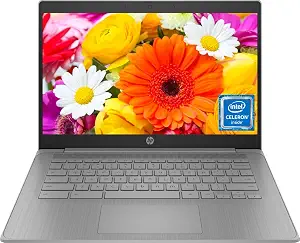
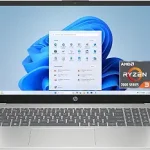
HP 14″ HD Chromebook Laptop for Students (ASIN B0C8171GTK)
Best Budget: The HP 14-inch HD Chromebook is the straightforward option here for shoppers focused on a Chrome OS laptop with a defined, modest hardware configuration. Its listed processor is an Intel Celeron N4120 with 4 Cores & Threads, paired with 4GB RAM and 64GB eMMC. The display is 14 inches with a resolution of 1366 x 768 pixels, and the operating system is Chrome OS. Those details give a student and family concrete points to check against course requirements, file habits and screen preferences before making a purchase.
Picture the laptop being used for reading class material, drafting work and accessing online resources. Those are planning examples, not a claim that a particular application is included or that every school service is supported. Since this machine runs Chrome OS, verify that the student’s required applications and school platforms work with that operating system. The listed 64GB eMMC storage is a reason to think carefully about whether the student intends to save files locally or use other permitted storage arrangements. Do not assume those arrangements are available; confirm what the course and school allow. Likewise, the stated 4GB RAM is the configuration to compare with the student’s typical workload, not a basis for promising how many tasks will run smoothly.
The 1366 x 768-pixel resolution is a practical consideration for someone who spends substantial time reading or arranging material on screen. Compare it with the student’s preference and the exact work involved rather than treating the 14-inch size alone as a full picture of display suitability. Wireless connectivity is listed as 802.11ac. If connectivity is important, compare that specification with the student’s network environment and requirements; the record does not establish performance on a particular connection. The Celeron N4120 name and core detail also help identify the exact configuration when checking alternatives.
During Black Friday, the HP earns the Best Budget label among the products in this guide because it is the option to consider when a student’s needs align with its listed Chromebook configuration. The label does not establish a sale price, discount or market-wide value claim. Compare the exact offer and product variant, then decide whether Chrome OS, 4GB RAM, 64GB eMMC and the stated screen resolution are suitable for the intended coursework. A tempting Black Friday promotion is not a substitute for checking those particulars. If they fit, this HP provides a clearly specified option to evaluate; if the student needs different software or a different display experience, use that requirement to guide the search.
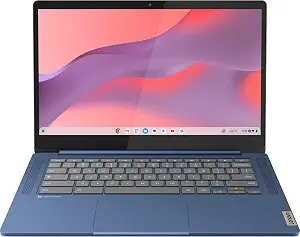
Best Overall: Lenovo’s Flagship Chromebook combines a 14-inch Full HD touchscreen with Google Chrome OS, 4GB RAM and 64GB eMMC storage. That mix makes it a useful starting point for a student whose routine centers on Chrome OS and who wants touch input as well as a conventional laptop display. Full HD is the stated display resolution category, while the touchscreen gives another way to interact with on-screen material. Before choosing it, check that the applications and services required for coursework work with Chrome OS; the operating-system name alone does not confirm support for a particular course tool.
The processor is a MediaTek Kompanio 520, specified as octa-core with 4x A73 @2.0GHz + 4x A53 @2.0GHz. Use those details to compare this exact Chromebook with other configurations rather than treating a core count as a promise of how a particular workload will feel. The listed memory and storage are 4GB RAM and 64GB eMMC. A student who expects to keep many files locally should consider whether that stated storage suits their plans, and check what storage options their coursework allows. The listing also specifies Wi-Fi 6, 11ax 2×2, with Bluetooth 5.1 combo; those are useful details to review alongside the student’s connection needs, not a guarantee about any specific network.
Lenovo lists battery life as 13.5 hours. Consider that figure as a stated specification when planning a day that might include classes and study away from a desk, while remembering that it does not describe every student’s actual usage conditions. The touchscreen, Chrome OS, and stated battery life together may make this configuration worth comparing for a student who values touch interaction and wants a published battery figure. They do not make it a fit for every course: confirm software needs and the student’s preferred way of working before deciding.
For Black Friday, this is the Best Overall choice in this guide because its listed combination brings a Full HD touchscreen, Wi-Fi 6 and stated battery life into one Chromebook configuration. That label is a guide-level recommendation, not proof of measured superiority. Check the exact product and variant attached to any offer, and compare its listed features with the student’s must-haves rather than assuming a promotional listing refers to the same configuration. If Chrome OS is suitable and the screen, memory and storage fit the planned work, it merits consideration; if an application requirement points elsewhere, prioritize that requirement.
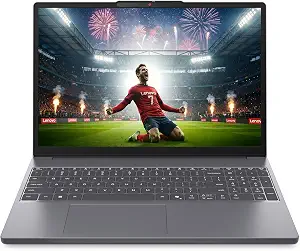
Best for a larger touchscreen workspace: The Lenovo IdeaPad Slim 3i stands apart in this selection through its listed 15.3-inch WUXGA touchscreen display. That combination may appeal to a student who wants a larger touch-enabled area for reading, writing or keeping course material visible while working. The display size and resolution description are the supplied specifications; they do not establish how a particular page or application will appear. Consider the student’s usual desk setup and whether a larger screen is more useful than a Chromebook configuration before comparing offers.
This model is listed with an Intel Core Ultra 5 Processor 322, 16GB RAM and 1TB SSD storage. Those specifications make the IdeaPad’s configuration notably different from the two Chromebooks in this guide, but they are not a guarantee of results with any particular program. Check the software requirements for the student’s courses and verify that the exact device and operating-system details in the offer meet them. The supplied facts do not state an operating system, so confirm that detail for the exact listing rather than assuming it. The listed memory and SSD capacity are useful comparison points for someone planning how to manage coursework and saved files, but the right choice still depends on the student’s actual needs.
The display is also specified as having a 120Hz refresh rate, and the battery capacity is listed as 60 watt-hours. Treat both as configuration details for comparison, not as a guarantee about perceived display behavior or time away from a charger. Battery capacity and battery life are different kinds of information; the provided specification gives capacity, not a runtime estimate. A student who places high importance on portable study should account for that distinction and look for an explicitly stated battery-life figure when comparing other options.
For Black Friday, this is the guide’s Best for a larger touchscreen workspace choice because the listed 15.3-inch WUXGA touchscreen is its clearest fit-based distinction. The label is a recommendation based on that feature, not a measured comparison. Check the precise IdeaPad configuration attached to the offer, including the processor, memory, storage and display details, and confirm the operating system and required software before committing. If a student values the larger touchscreen and the remaining details suit their plans, this model belongs on the shortlist. If portability, a Chrome OS workflow or another course requirement takes priority, use that need to compare it with the other choices instead of relying on the Black Friday presentation.
Key specs
Processor
Intel Core™ Ultra 5 Processor 322
Display
15.3″ WUXGA Touchscreen Display
Memory
16GB RAM
Storage
1TB SSD Storage
Refresh rate
120Hz Refresh Rate
Battery capacity
60 watt-hours
Map the laptop to the student’s actual week
Begin with the work the student must complete, not with a promotion or a processor name. Make a short list of required applications, school platforms, file types and any instructions about operating systems. Then compare that list with the product information available for each candidate. The HP and Lenovo Flagship are identified as Chrome OS laptops, so their operating-system fit should be checked directly with the school’s requirements. The IdeaPad Slim 3i’s supplied facts do not name its operating system; verify it for the exact listing before treating it as a match. This simple check can rule out a poor fit before Black Friday offers distract from the essentials.
Next, think through where and how the laptop will be used. A student who studies mostly at one desk may value a different screen experience from someone who regularly moves between classes, home and shared study spaces. The IdeaPad’s 15.3-inch WUXGA touchscreen is the largest stated display here; both Chromebooks have 14-inch displays, with the Lenovo Chromebook specifying Full HD touch and the HP listing 1366 x 768 pixels. These are distinct details to consider, not a ranking of which screen will suit every person. Ask the student whether screen area, touch input or a familiar Chrome OS workflow matters most in daily work.
Finally, separate requirements from preferences. A required course application is a firm filter; a preferred screen size may allow flexibility. Write down both, then compare each exact product configuration against them. During Black Friday, this keeps an offer from turning into the reason for buying a laptop that does not meet the student’s needs. If an important detail is not provided, seek confirmation in the product listing before deciding rather than filling the gap with an assumption.
Compare storage and memory through real coursework
Memory and storage affect different parts of a student’s decision, so compare them separately. The HP Chromebook and Lenovo Flagship Chromebook each list 4GB RAM and 64GB eMMC. The IdeaPad Slim 3i lists 16GB RAM and 1TB SSD storage. These specifications identify the configurations in this guide; they do not guarantee a particular experience or establish what a course requires. Start by checking the software guidance provided by the school, then consider the student’s own habits, such as how they organize documents and whether they expect to keep material on the laptop.
For storage, ask whether coursework is expected to be kept locally, accessed through school-approved services or handled another way. Do not assume that a specific online service, storage expansion method or school policy applies. Confirm the permitted approach and consider how much local space the student wants for files. For memory, focus on the listed amount and compare it with the requirements of the intended applications. Avoid turning a higher specification into a promise that all demanding workloads will be suitable; the record does not describe workload results.
Black Friday listings can make it easy to focus on a headline configuration, so verify that the offer refers to the same product and specifications you have been comparing. Check memory and storage as distinct fields, especially when other versions of a model may appear in a shopping search. Keep a simple note of the student’s requirements beside those fields. That way, the decision rests on the exact configuration and planned use, not on a vague impression that a bigger number must settle every question.
Choose the display for the study setup
A laptop screen shapes everyday study, but the most suitable option depends on what the student reads and how they like to interact with material. The HP lists a 14-inch display at 1366 x 768 pixels. The Lenovo Flagship Chromebook lists a 14-inch Full HD touchscreen, while the IdeaPad Slim 3i lists a 15.3-inch WUXGA touchscreen with a 120Hz refresh rate. These are the stated descriptions. Consider them in relation to the student’s preferences and coursework instead of assuming that one specification automatically makes a display best for everyone.
Touch input may matter to a student who likes interacting directly with on-screen material, but it is only one part of the decision. The Lenovo Flagship and IdeaPad both explicitly list touchscreens; the HP facts provided do not specify touch input, so check its exact listing if that feature matters. Likewise, the display facts do not tell you how a particular application lays out its controls or how comfortable an individual student will find a screen. If possible, let the student identify what they prefer from the stated specifications and any relevant product information.
During Black Friday, match the display details to the exact product variant before comparing the offer. Product names can be similar while configurations differ, so confirm the screen size, resolution description and touch feature you care about. The IdeaPad’s larger listed screen may be a reason to shortlist it for a student seeking more display area, while either Chromebook may be preferable for someone whose priorities point to its particular configuration. Let the student’s routine decide which tradeoff is worth making.
Treat wireless and battery information carefully
Connectivity details help identify what a product lists, but they do not predict the quality of a particular connection. The HP specifies 802.11ac. The Lenovo Flagship Chromebook specifies Wi-Fi 6, 11ax 2×2, together with Bluetooth 5.1 combo. Compare those entries with the student’s needs and the school’s instructions, and check whether any required accessories or networks have particular requirements. The provided facts do not establish compatibility with a specific network, device or service, so verify such details where they matter.
Battery information also needs careful reading. Lenovo lists 13.5 hours of battery life for the Flagship Chromebook. The IdeaPad Slim 3i lists battery capacity as 60 watt-hours, which is a capacity specification rather than a stated runtime. No battery-life figure is supplied here for the HP or IdeaPad. Avoid interpreting missing information as proof of poor or strong endurance, and do not compare battery capacity directly with a runtime figure as though they measure the same thing. If the student expects to work away from an outlet, look for a clear battery-life statement for the exact model and consider whether it addresses the planned routine.
Use Black Friday as a chance to compare clearly stated details, not as a reason to infer them. Confirm the wireless and battery specifications for the exact configuration attached to an offer. If a needed detail is unavailable, seek clarification before relying on it. This approach is especially useful when students move between locations or depend on particular school networks: requirements should be checked against the school and the actual product information, rather than guessed from a general model name.
Check the configuration behind a Black Friday offer
A seasonal promotion is useful only if the offered item is the one the student has evaluated. Before deciding, compare the product name and exact configuration with the intended choice. Confirm the processor, memory, storage, display and operating system wherever those details are stated. For the IdeaPad Slim 3i, specifically verify the operating system because it is not included in the supplied facts. For either Chromebook, make sure Chrome OS is compatible with the required coursework. Do not assume that a similar-looking listing or variant has identical specifications.
Build a comparison around needs rather than a sale badge. Put essential course requirements first, then note preferences such as a touchscreen, a particular screen description or stated wireless details. Review the offer’s product information for each point. If the listing does not clearly establish something essential, pause and verify it; do not treat an unstated feature as included. Equally, do not assume a specification is absent merely because it was not included in this guide’s facts. The goal is to compare the actual configuration fairly.
Black Friday shopping can encourage quick decisions, but a brief checklist helps preserve the original priorities. Ask whether the student’s software and study habits fit the laptop, whether the displayed configuration is the intended one, and whether any essential unknowns have been resolved. Then compare the available offer on its own stated terms without assuming a discount, stock status or seller policy. If the match is unclear, keep looking. A suitable laptop is the one whose verified details support the student’s plans, not simply the one presented most prominently.
Make your Black Friday choice
For a Chrome OS student laptop, compare the Lenovo Flagship Chromebook and HP by their stated screens, wireless details, memory, storage and operating-system fit. Consider the IdeaPad Slim 3i when its larger touchscreen workspace and listed configuration align with the student’s requirements, and verify its operating system for the exact listing. Each recommendation label reflects a fit-based editorial choice among these products, not a test result. This Black Friday, confirm the precise variant and resolve important unanswered questions before purchasing. Let coursework, screen preferences and file habits guide the final choice; the offer matters only after the laptop fits the student.