Best Miter Saw Buying Guide — Black Friday Deals 2026
A miter saw purchase starts with the cuts you expect to make: repeated angled trim, bevels, or crosscuts through wider boards call for different priorities. This guide compares three corded models by their listed blade, angle, and cutting details, rather than assuming one format suits every shop. The Metabo HPT offers a single-bevel layout, the DEWALT is a double-bevel model, and the SKIL pairs sliding construction with a stated crosscut capacity. Black Friday can make the final choice feel urgent, but a sale is useful only if the exact model fits your work. Compare the offer and variant, then check the specifications that matter to your projects.
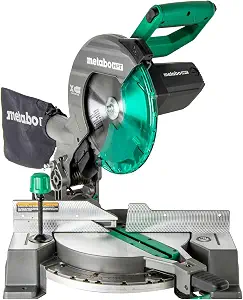
Metabo HPT 10-Inch Compound Miter Saw, 15-Amp, Single Bevel, C10FCG2
Best Budget is an editorial label for the Metabo HPT C10FCG2, a corded 10-inch compound miter saw with a single-bevel arrangement. Its listed power source is corded electric, its voltage is 120 volts, and the product name identifies a 15-amp saw. The speed is listed as up to 5,000 RPM. That combination gives shoppers concrete details to compare with their workspace and cutting plans, but the figures do not by themselves determine suitability for a specific material or workload. If your projects call for a particular crosscut width or depth, look up that capacity for this exact model before buying; it is not included in the specifications provided here.
The angle range is a more direct planning aid. The saw has a 0-52° miter angle range left and right, while its adjustable bevel range is 0-45° left. That single-bevel layout may suit projects where the planned bevel direction is known in advance. If your work requires bevels in opposite directions, consider whether turning or repositioning the piece is practical for your setup, and confirm the model’s adjustment details. The measurements are listed as 23.6″L x 18.3″W x 21.8″H, and the weight is 24.2 pounds. Check your intended work surface and storage spot against those stated dimensions rather than assuming the saw will fit based on its blade size.
For a shopper trying to keep the purchase focused, this model offers an identifiable set of tradeoffs: a 10-inch blade, single-bevel adjustment, and clearly stated miter range. It can merit consideration for home projects where those settings cover the planned cuts and the corded format works at the site. Black Friday listings can make similar names easy to confuse, so check for C10FCG2 and verify that the selected variant matches the specifications you need. The Best Budget label does not promise a particular price or discount. Compare the current offer with the exact model and consider any missing capacity information before treating a deal as the right fit.
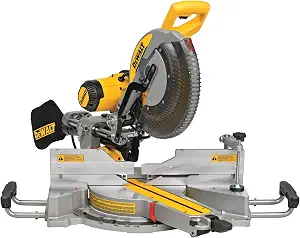
Best Overall is an editorial pick for shoppers seeking a 12-inch blade and a double-bevel format in one corded saw. The DEWALT DWS780 has a listed blade length of 12 inches, corded electric power, and a voltage of 110 volts. Its double-bevel designation makes it a candidate to consider when your project list includes bevel cuts in more than one direction. The available specifications do not state a bevel-angle range or cutting capacity, so check those details for the exact model before deciding that it covers a particular trim profile or board size.
Other listed details help frame the purchase without serving as a substitute for a project fit check. The saw is specified at 3800 rpm and has an 80-tooth blade. Those numbers describe the listed speed and tooth count; they do not establish how a particular material or finish will turn out. The stated cutting angle is 90 degrees, which is a useful detail to compare with the straight cuts on your list. If you need repeatable compound angles or a specific crosscut width, confirm the relevant capacity and adjustment information before checkout rather than inferring it from the blade size.
For everyday planning, consider whether a larger blade and double-bevel arrangement match the work you actually do, and whether the corded format suits the place where the saw will be used. A homeowner fitting trim, or a shop preparing pieces that need bevel cuts, can use those priorities to decide whether this model deserves a closer look. Black Friday may bring multiple listings or variants into the same search results; compare the offer against the DWS780 model name and the stated specifications, not just a product photo or a broad DEWALT description. The Best Overall label is a guide among these featured options, not a claim of measured superiority. Choose it when the listed format aligns with your tasks, and verify any capacity or adjustment details essential to your work.
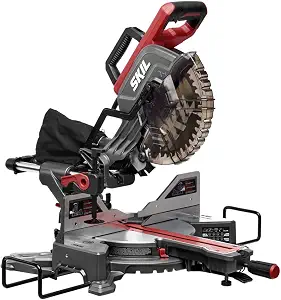
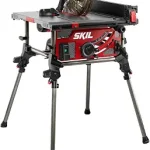
Best for Wide Crosscuts is a feature-based label for the SKIL MS6305-00, a 10-inch dual-bevel sliding compound miter saw. Its clearest distinction for a shopper planning broad crosscuts is the stated capacity: it crosscuts lumber up to 2×12 at 90 degrees. Match that specification to the boards and cut angle in your project plan; it does not describe every possible angled cut. The saw is corded electric and has a listed motor speed of 4800 rpm. Those details help define the setup, while the stated capacity is the most relevant starting point for deciding whether it suits a wide-board task.
The adjustment information adds useful context for trim and angled work. The saw cuts up to 50 degrees left and right, with 11 positive stops at the most-used angles. Its dual-bevel positions include four positive stop positions at 48° and 45° left, 0°, and 45° right. If your work involves moving between miter and bevel settings, compare these listed positions with the angles your plans call for. The product name identifies a sliding design, but the available facts do not give every cutting capacity or explain clearances for a particular setup. Confirm those details if your intended cut falls outside the stated crosscut example.
At 39.4 pounds, the SKIL’s listed weight is worth considering when deciding where it will live and how you will arrange the work area. The blade length is 10 inches. Those specifications, together with the stated wide crosscut capacity and dual-bevel stops, provide a practical checklist for comparing it with the other featured saws. Black Friday shoppers should verify that the listing is for MS6305-00 and compare the exact offer and variant rather than relying on a general SKIL search result. The Best for Wide Crosscuts label reflects the provided capacity detail, not a claim that it leads every saw on the market. Choose it when that capacity and its adjustment layout fit your planned work.
Key specs
Power source
Corded Electric
Motor speed
4800 rpm
Dual bevel positions
Perform cuts in four positive stop positions at 48° & 45° left, 0°, and 45° right
Cutting capacity
Cross cuts lumber up to 2×12 at 90 degrees
Miter angles
Cuts up to 50 degrees left and right with 11 positive stops at most used angles
Blade length
10 inches
Weight
39.4 pounds
Begin with the pieces your projects require
Write down the materials, shapes, and angles you expect to cut before comparing product pages. A list might include straight crosscuts for shelving, mitered trim corners, or bevels for a project with sloped edges. The purpose is not to predict every future job; it is to identify the cuts that would make a saw useful now. Then compare each model’s stated capacities and adjustments with those needs. Of these three, the SKIL explicitly states a crosscut capacity of lumber up to 2×12 at 90 degrees, while the facts provided for the other models do not state an equivalent capacity. Do not treat an unstated figure as proof that a cut is impossible; look up the exact model information if that measurement is essential.
Black Friday search results can put different blade sizes and saw formats beside one another, so start with the task rather than the discount. A shopper who rarely cuts wide boards may value angle settings more than the SKIL’s stated capacity. Someone focused on bevel work may compare the Metabo HPT’s single-bevel range with the DEWALT’s double-bevel designation, then check the detailed adjustment ranges. Keep a short must-have list and a separate nice-to-have list. That simple separation helps prevent a dramatic-looking offer from overshadowing the specification that determines whether the saw can handle your intended cut.
Think through bevel changes before choosing a layout
A bevel tilts the blade for a cut across the thickness of a workpiece, while a miter changes the cut angle across its face. The product details identify different arrangements: the Metabo HPT has an adjustable 0-45° bevel range left, the DEWALT is named as a double-bevel saw, and the SKIL lists dual-bevel positions at 48° and 45° left, 0°, and 45° right. Those distinctions can shape how naturally a model fits a project with repeated angled edges. They do not, by themselves, tell you every adjustment step or the capacity at each angle.
Consider the sequence of work, not just the most demanding cut. If a project uses bevels in opposing directions, ask whether rotating or repositioning the workpiece is comfortable and practical with the single-bevel option. If you expect to change direction often, compare the double- or dual-bevel layout and verify the model’s operating instructions. Also check how the miter range corresponds to your plans: the Metabo HPT lists 0-52° left and right, and the SKIL lists cuts up to 50 degrees left and right with positive stops. During Black Friday, use these specific ranges to compare models, but confirm that the advertised listing refers to the same model and adjustment details.
Match the blade and capacity to your material plan
Blade diameter is a useful point of comparison, but it is not a complete measure of what a saw can cut. The DEWALT has a listed 12-inch blade, while the Metabo HPT and SKIL have 10-inch blades. Actual capacity depends on the model and the cut being made, so do not infer a board-size limit from blade diameter alone. The SKIL’s stated crosscut capacity offers a concrete reference for one particular cut: lumber up to 2×12 at 90 degrees. For the other saws, seek out the exact capacity information relevant to the cut you have in mind.
The DEWALT listing also specifies an 80-tooth blade, whereas no tooth count is given here for the other two products. Treat that as a listed detail, not as a guarantee about finish quality or performance on a material. Consider whether you will need to make different types of cuts and whether the product’s blade information is enough for your decision; if not, verify the included blade and any relevant guidance in the listing. Black Friday comparisons are clearest when you check the precise model, its stated blade details, and its cut capacity together, rather than selecting by diameter or a broad product-family description alone.
Check power, speed, and where the saw will sit
All three featured products are listed as corded electric, so plan for a suitable power source where you expect to work. The Metabo HPT is listed at 120 volts and is identified as 15 amp in its product name; the DEWALT is listed at 110 volts. No voltage is supplied here for the SKIL. Check the specific product information and your work location rather than assuming the models share identical electrical requirements. The listed speeds also differ: up to 5,000 RPM for the Metabo HPT, 3800 rpm for the DEWALT, and 4800 rpm for the SKIL. Speed alone does not establish cut quality or suitability for a material.
Physical planning matters too. The Metabo HPT’s stated dimensions are 23.6″L x 18.3″W x 21.8″H, and its weight is 24.2 pounds; the SKIL weighs 39.4 pounds. No dimensions or weight are provided here for the DEWALT, so check those if storage or moving the saw is a deciding factor. Think about the surface, support for the workpiece, and space needed to position your material, then verify the specific model’s setup guidance. A Black Friday price is less helpful if the saw does not suit the room or working arrangement you have available.
Compare the exact listing, not just the sale message
A Black Friday offer should be evaluated against the exact saw you intend to buy. Check the model identifier: C10FCG2 for the Metabo HPT, DWS780 for the DEWALT, and MS6305-00 for the SKIL. Confirm the blade size, bevel arrangement, and other specifications on the selected listing, especially if search results display several models or variants together. The supplied information does not establish a current discount, price, package contents, or stock status, so do not assume those details from a seasonal label. Compare the actual offer you see with the model details and the features that matter to your project.
Before checkout, revisit your must-have list. If wide crosscuts are central, confirm the SKIL’s stated capacity and whether the cut angle matches your use. If you are comparing bevel layouts, make sure the specified positions and ranges suit your plans. If the work depends on a capacity not stated for a product here, locate that information for the exact model instead of guessing. Also examine what the listing says about the selected variant and included items; those details are not established by the specifications in this guide. A deliberate comparison can help separate a useful seasonal offer from a price tag attached to the wrong configuration.
Make your Black Friday choice
Choose by the cuts you need, then narrow the field by adjustment layout, stated capacity, and practical fit in your workspace. The Metabo HPT is the single-bevel option with a stated left-and-right miter range; the DEWALT pairs a 12-inch blade with a double-bevel designation; and the SKIL supplies the clearest stated wide-crosscut capacity. Check any missing capacity or adjustment detail against the exact model before purchase. Black Friday can be a convenient time to compare offers, but it does not replace that fit check. Verify the model and variant, judge the offer in front of you, and pick the saw whose listed features answer your project needs.