Best Oled Monitor Buying Guide — Black Friday Deals 2026
An OLED monitor shortlist should start with the kind of screen you want to use, then narrow by resolution, refresh rate, finish and adaptive sync. This guide compares three gaming monitors with QHD-class resolution and a 240Hz refresh rate, while distinguishing OLED from QD-OLED where the listings specify it. The models also differ in screen size, finish and sync features, so there is no need to treat them as interchangeable. During Black Friday, check the exact model and variant shown on the offer page before comparing prices; a headline deal is useful only if it matches the configuration you intended to buy.
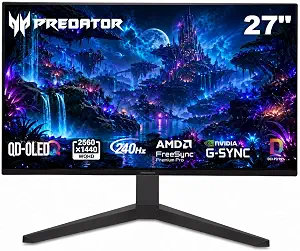
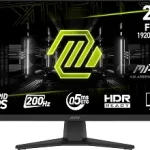
Best Budget is the editorial label for this Acer Predator because it gives value-focused shoppers a specific configuration to compare, not because a sale price or savings amount is known. Its 26.5-inch QD-OLED display has a resolution of 2560×1440, a 240 hertz refresh rate and a listed response time of 0.03 milliseconds. The matte screen finish and FreeSync Premium are also stated features. These concrete details make it possible to weigh its fit against the other monitors without making assumptions about its current price or performance.
Consider this model if matte is the surface you want and QD-OLED is a priority in your shortlist. The screen size is a little different from the 27-inch options, so use the exact listed measurement when checking how the monitor would sit in your space. Its resolution matches the 2560×1440 specification stated for the LG; the Samsung listing describes its resolution as QHD Wide 1440p. When comparing, keep each listing’s own wording in view rather than inferring that every other aspect is identical. The monitor has two HDMI ports, a useful detail to check against the devices you intend to connect.
The Black Friday label does not tell you what the Acer will cost, whether a promotion will apply, or how its offer compares with another seller’s terms. It simply gives shoppers a value-oriented starting point among these three choices. Before deciding, confirm the product identifier and make sure the offer page names the X27U W1 configuration you intended to consider. Then weigh the listed QD-OLED display, matte finish and FreeSync Premium against your personal priorities. If a particular sync label, surface or screen size matters more to you than the price, that preference may lead to another option in this guide. Choose based on the exact offer and configuration, not on the badge alone.
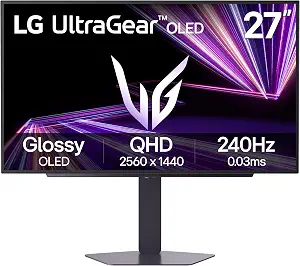
Best Overall is an editorial pick for shoppers who want a clearly specified OLED gaming monitor with a broad set of listed display and sync details. The 27-inch screen has a native resolution of 2560×1440, a refresh rate of 240 hertz and a response time of 0.03 milliseconds. Those details make it easy to compare this option against the other monitors in this guide without relying on a vague product title. Its display type is OLED, and its screen finish is glossy, two distinct preferences worth considering rather than treating as one feature.
The sync listing names both FreeSync Premium Pro and G-Sync Compatible. That makes this a useful candidate to examine if either of those labels is part of your monitor checklist. It also has two HDMI ports. Think through which devices you expect to connect and check the complete listing for any additional connection details you require; the supplied facts establish the HDMI count, but do not describe every port or the rest of the setup. The screen’s size and resolution are also practical points to compare with your desk and the viewing distance that feels comfortable to you.
This is the Best Overall choice among the products presented here, not a claim of measured superiority or a market-wide award. Its specified combination of OLED, 240 hertz, 0.03 milliseconds and two named adaptive-sync options gives shoppers several concrete comparison points. The glossy finish may suit someone who prefers that surface, while a shopper who favors matte can consider the Acer or Samsung instead. Before a Black Friday purchase, verify that the offer is for this exact model and confirm that the displayed specifications match the configuration you want. Compare the actual offer terms rather than assuming the seasonal event guarantees a particular discount.
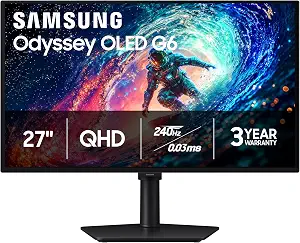
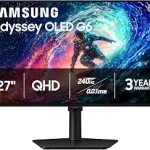
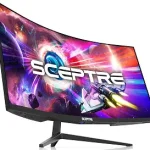
Best for a matte QD-OLED shortlist is a distinct editorial label for the Samsung Odyssey OLED G6. Its listing specifies a 27-inch QD-OLED display with QHD Wide 1440p resolution, a 240Hz refresh rate and a 0.03-millisecond response time. The screen finish is matte, and adaptive sync is listed as FreeSync Premium. That combination makes it particularly straightforward to consider if you have already decided that you want both QD-OLED and a matte surface. The label reflects those stated preferences; it does not imply that the monitor has been tested against the others.
Compare the Samsung’s specification wording carefully with your own requirements. Its resolution is described as QHD Wide 1440p, while the other listings provide a pixel resolution or use QHD wording. Its refresh rate is given as 240Hz, and its response time is listed as 0.03 milliseconds. These are the details supplied for this model, and they give you a useful basis for making a shortlist. The listing also names FreeSync Premium, so check whether that is the sync feature you want to prioritize. Do not assume that a feature omitted from the supplied description is necessarily missing; verify any additional requirement on the exact listing.
For Black Friday shopping, this monitor can serve as the matte QD-OLED point of comparison: look at its exact model and offer, then compare those against the features you value on the Acer and LG. If glossy is your preference, the LG’s listed finish may make more sense to investigate. If you want the Acer’s listed 26.5-inch screen size, keep that detail in the comparison as well. The Samsung’s 27-inch size and stated panel technology give you clear criteria for deciding whether it belongs on your list. Avoid assuming that a seasonal offer is automatically the best fit; the preferred screen surface and exact configuration still matter.
Key specs
Screen size
27 inches
Display technology
QD-OLED
Resolution
QHD Wide 1440p
Refresh rate
240Hz Refresh Rate
Response time
0.03 milliseconds
Adaptive sync
FreeSync Premium
Screen finish
Matte
Map your screen priorities before browsing offers
Start by writing down what you need the monitor to do in your everyday setup. A gaming-focused shopper may want to compare the listed refresh rate and response time first, while someone choosing by image technology or surface may begin with OLED versus QD-OLED and glossy versus matte. These are separate decisions. A monitor can match your preference on one point and not another, so avoid letting a single headline specification stand in for the full configuration.
Screen size and resolution belong on the same shortlist, but neither dictates what will feel right at your desk. The products here include a 26.5-inch option and 27-inch options, with QHD-class resolutions stated in their listings. Think about the space available and how you use your screen, then compare the exact specifications rather than assuming the models are identical. During Black Friday, keep that shortlist beside the offer page. A discount claim, if one appears, does not make a configuration a match for your needs.
It can help to separate must-haves from preferences. For example, you might require a particular sync label but be flexible about finish, or strongly prefer matte while remaining open to the listed sync feature. This prevents a busy product page from turning every specification into an equally important decision. Before checkout, revisit your must-haves and make sure the exact model offered still meets them. That simple pause can keep seasonal browsing focused on fit instead of urgency.
What the OLED labels tell you—and what to verify
The product information identifies the Acer and Samsung as QD-OLED, while the LG is listed as OLED. Treat those as the display technology labels provided, not as a complete description of every visual characteristic. If you already have a preferred type, use that preference to organize your shortlist. If you do not, compare the stated product details and consult the exact listing for any additional information that matters to you rather than filling gaps with assumptions.
Surface finish is another independent choice. The Acer and Samsung are listed as matte, and the LG is listed as glossy. Consider the conditions in which you normally use a monitor and which surface you would rather live with; the supplied facts do not establish how either finish will look in your particular room. Black Friday can make comparison pages feel time-sensitive, but finish is worth checking before focusing on an offer. Confirm that the product page’s finish matches the model you mean to buy.
Panel label and finish can help distinguish two otherwise similar-looking candidates, but they should not replace a broader fit check. Compare size, resolution, refresh rate, response time and adaptive sync alongside them. For example, both display technology and finish are explicitly supplied for all three choices, while the sync labels differ. Keep a note of each field as written, especially when listings use different terminology. That creates a more dependable comparison than assuming shared wording means all features are alike.
Separate motion specifications from sync choices
Refresh rate, response time and adaptive sync describe different aspects of a monitor’s specification, so keep them in separate comparison fields. Each model here is listed with a 240 hertz or 240Hz refresh rate and a 0.03-millisecond response time. Those figures make side-by-side reading simple, but they do not by themselves tell you which monitor is right for your games, computer or preferences. Decide which details you care about, then verify the exact listing.
The sync information is not identical across the three models. The Acer lists FreeSync Premium; the LG lists FreeSync Premium Pro and G-Sync Compatible; the Samsung lists FreeSync Premium. If one of those labels is important, match it to your intended setup and check the exact product information before buying. Do not assume compatibility beyond the wording supplied here. Also avoid treating the number of named sync options as proof of overall performance; it is simply a specification distinction for your comparison.
On Black Friday, a clear comparison table can stop an attractive offer from distracting you from a required feature. Record the refresh rate, response time and sync wording in separate places, then verify the model identifier when you open the offer. If the page describes a different configuration, pause and compare that version on its own terms. A sound choice comes from matching your priorities to the actual product being offered, not from collapsing several technical details into one headline.
Check connections and configuration on the offer page
Connection requirements can be easy to overlook when attention is fixed on the display. The Acer and LG facts each list two HDMI ports. The supplied Samsung facts do not state an HDMI-port count, so do not treat that missing detail as proof that a port is absent. If connections are important to your setup, check the complete page for the exact model and make sure it answers the questions you have before deciding.
Verify the model name and product identifier on any Black Friday offer you are considering. Titles can be shortened, and a page can present options or variants; the item you add to your cart should be the configuration you intended to compare. Recheck its stated screen size, resolution, finish and sync features. If the page does not make a key detail clear, seek clarification from the listing rather than assuming a nearby model shares it.
Compare the offer’s stated terms on their own merits. The information here does not establish a current price, discount, stock position or seller policy, so none should be presumed. Look at the actual offer available to you and decide whether it is worthwhile for the exact configuration. A seasonal label is not a substitute for checking the product identity, the features you need and the terms shown at purchase.
Use a short comparison routine when Black Friday gets busy
Keep the decision manageable by comparing the three choices against a few personal priorities at a time. You might first identify preferred display technology and finish, then consider screen size and resolution, followed by refresh rate, response time and adaptive sync. This order is not a ranking; it is a way to avoid being pulled from one promotional claim to another without deciding what matters to you.
For instance, someone set on matte QD-OLED can use the Acer and Samsung as direct candidates for closer review, then distinguish them by their listed screen sizes and wording for resolution and sync. A shopper who wants a glossy finish and both FreeSync Premium Pro and G-Sync Compatible listed can put the LG on the shortlist. These are ways to navigate the stated specifications, not promises about performance or compatibility beyond the listing.
During Black Friday, return to the exact offer after you have picked a preferred configuration. Confirm the model, review the listed terms and compare them with the alternatives you are genuinely willing to buy. Avoid chasing a deal simply because it appears prominent or time-sensitive. If the product does not match your must-haves, keep looking; if it does, make the decision based on the offer actually shown rather than an assumed discount or a general seasonal expectation.
Make your Black Friday choice
The right OLED monitor for your shortlist depends on which stated features matter most: OLED or QD-OLED, matte or glossy, screen size, resolution and the adaptive-sync wording. The Acer, LG and Samsung each offer a different set of details to weigh, even though their listings share a 240Hz-class refresh rate and a 0.03-millisecond response time. Before buying on Black Friday, confirm the exact model and configuration, check the offer terms and revisit your own must-haves. A careful match is more useful than treating a seasonal promotion as a recommendation in itself.