Westinghouse 12500 Watt Dual Fuel Home Backup Portable Generator, Remote Electric Start, Transfer Switch Ready, Gas and Propane Powered (ASIN B07Q1DLKBG)
Best Power Generator Buying Guide — Black Friday Deals 2026
A power generator purchase starts with the kind of backup you want, not the largest number on a listing. A battery power station, a gasoline inverter generator and a dual-fuel home backup unit involve different operating choices, connections and output needs. First list what you expect to power and identify the plugs those devices require. Then decide whether stored battery power or fuel best fits your plans. During Black Friday, compare the exact model and included configuration rather than assuming similarly named offers are interchangeable. The three options here cover portable battery use, a smaller gasoline setup and higher-output backup, giving shoppers distinct starting points for narrowing the search.
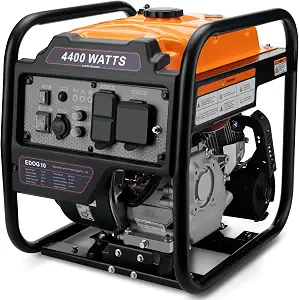
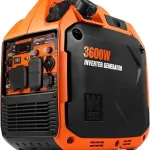
Power Equipment 4400 Watts Inverter Generator Gas Powered
Power Equipment 4400 Watts Inverter Generator Gas Powered (ASIN B0FQ5BB6SS)
Best Budget: The Power Equipment 4400 Watts Inverter Generator Gas Powered is the gasoline option in this selection for shoppers who want to weigh a fuel-powered unit against a battery station. Its listed output is 4400 peak watts and 3400 running watts. Use the running figure as a central part of checking your planned connected load, and consider the peak figure when reviewing equipment with startup demands. The listing’s numbers do not determine the needs of your specific devices, so make a load list before deciding that the output is suitable.
The generator runs on gasoline and has a 2 gallon fuel tank. Those details make fuel planning part of the purchase decision: consider how you will obtain and store fuel and how that arrangement fits the way you intend to use the unit. The facts provided do not state a runtime, so do not estimate operating time from tank size alone. Its listed connections are 2*120V AC ports, 1*12V DC port and 1*RV port. Check the exact plug and electrical requirements for each intended device, and confirm that the RV connection is the one your planned setup needs.
The unit weighs 56 pounds, which is worth considering before you decide where it will be kept and how you expect to move it. The stated noise level is under 72 dBA from 23FT away; retain that distance and qualification when comparing it with another listing. A noise figure by itself does not establish how the generator will sound in every placement or setting. The Best Budget label is an editorial designation among these three products, not a claim about its market price or a measured value. Consider it when the listed gasoline output and connections align with your plan.
During Black Friday, confirm the product name and exact configuration before comparing offers. Do not assume a lower headline price, if one appears, tells you which accessories or terms apply; inspect the actual listing. Compare the output, fuel type, tank size, connections, weight and qualified noise figure against your intended use. This model may be a candidate for a shopper who prefers gasoline operation and needs its stated outlet arrangement, but the fit depends on your loads and setup. Verify those details rather than choosing from the wattage headline alone.
Key specs
Power output
4400 peak watts and 3400 running watts
Fuel
Gasoline
Outlets
2*120V AC ports, 1*12V DC port, 1*RV port
Fuel tank
2 gallon fuel tank
Noise level
Under 72 dBA from 23FT away
Weight
56 pounds
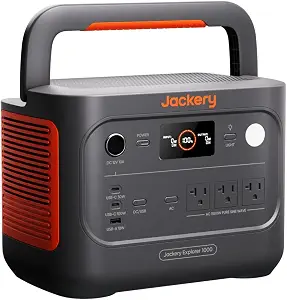
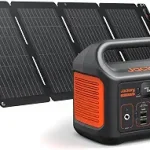
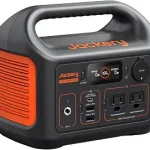
Jackery Explorer 1000 v2 Portable Power Station, 1024Wh LiFePO4 Battery
Jackery Explorer 1000 v2 Portable Power Station, 1024Wh LiFePO4 Battery (ASIN B0D7PPG25F)
Best Overall: The Jackery Explorer 1000 v2 is a useful place to start if you want stored battery power rather than a gasoline unit. Its 1,024Wh capacity and 1,500W AC output give you two separate figures to consider: capacity describes stored energy, while output helps you assess whether a particular device’s demand fits. The listed 3,000W surge peak is another specification to compare against equipment that has a higher startup demand. Check the requirements for the actual devices you plan to connect; the headline figures alone cannot establish how long a particular combination will run.
At 23.4 pounds, this model offers a defined weight to factor into a plan involving carrying or moving the unit. It also lists a 10ms UPS switchover, a feature to consider if you are evaluating it for a setup where switchover behavior matters. Do not assume that the feature makes every device or installation suitable; confirm your equipment’s requirements and the product details. For solar charging, the stated compatibility is limited to Jackery solar panels. If solar input is part of your decision, account for that restriction when comparing an offer and any panels you might need to obtain separately.
The Best Overall label is an editorial choice among the products in this guide, not a claim that the unit wins a test or suits every household. It makes sense to consider when your priority is a portable battery station with a stated capacity, AC output, surge peak and UPS feature. It may be a less direct fit if your plan depends on gasoline or propane operation, or if your solar plan assumes panels from another brand. Those are decision points to resolve before checkout, not reasons to infer unlisted capabilities.
For Black Friday, verify that the offer is specifically for the Explorer 1000 v2 and that the listing describes the same battery and output configuration. Compare the stated capacity and output with your own load list, and look closely at the solar-panel compatibility if charging options matter to you. Avoid treating a headline deal as proof that accessories are included. The right comparison is between the exact offer details and what your intended setup requires, not between a promotional phrase and a different product variant.
Key specs
Capacity
1,024Wh capacity
AC output
1,500W AC output
Surge peak
3,000W surge peak
Battery
LFP battery
Weight
23.4 pounds
UPS switchover
10ms UPS switchover
Solar charging
compatible only with Jackery solar panels for solar charging
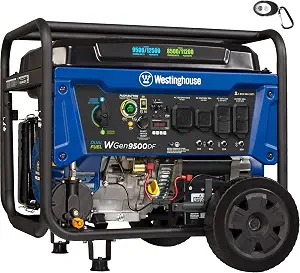
Westinghouse 12500 Watt Dual Fuel Home Backup Portable Generator, Remote Electric Start, Transfer Switch Ready, Gas and Propane Powered
Westinghouse 12500 Watt Dual Fuel Home Backup Portable Generator, Remote Electric Start, Transfer Switch Ready, Gas and Propane Powered (ASIN B07Q1DLKBG)
Best for High-Output Backup: The Westinghouse 12500 Watt Dual Fuel Home Backup Portable Generator is the highest-output choice described here, with different output figures for gasoline and propane. On gasoline, it lists 9500 Running Watts and 12500 Peak Watts; on propane, it lists 8500 Running Watts and 11200 Peak Watts. Compare the figures for the fuel you expect to use with your planned loads, and do not treat the two fuel modes as having identical output. This distinction is especially important when choosing a unit for a specific backup plan.
The generator supports gasoline and propane and lists up to 12 Hours of Run Time. Its tank volume is 6.6 gallons. The runtime qualification matters: it is stated as up to, not as a guaranteed duration for every load or operating condition. The starting options are Remote Start with Included Key Fob, Electric and Recoil Start. These are practical details to weigh if you have a preference for how to start the unit, but they do not replace checking the full setup requirements in the listing and product instructions.
Outlet planning is central here. The listed arrangement includes two GFCI 120V 5–20R 20A Standard Household Receptacle, one Transfer Switch Ready 120V L14-30R 30A, and one RV Ready 120/240V 14–50R 50A. Match the actual outlet type and electrical requirements of your equipment before purchase. The listing also describes a Heavy Duty 457cc Westinghouse 4-Stroke OHV Engine Featuring a Long-Lasting Cast Iron Sleeve with Automatic Low Oil Shutdown and Digital Hour Meter. These stated engine details can help you identify the model when reviewing an offer.
The Best for High-Output Backup label reflects the role suggested by the listed output among these products; it is not a test result or a promise that it will meet every home’s needs. Before Black Friday checkout, verify the precise fuel-mode output, outlet configuration, start methods and runtime wording on the offer for this model. Consider whether your plan involves the stated transfer-switch-ready connection, and have the installation requirements checked by a qualified professional where appropriate. Its range of listed output and fuel choices is relevant only when those details align with your loads and intended arrangement.
Remote Start with Included Key Fob, Electric and Recoil Start
Runtime
Up to 12 Hours of Run Time
Fuel tank
Tank Volume 6.6 gallons
Outlets
Two GFCI 120V 5–20R 20A Standard Household Receptacle, One Transfer Switch Ready 120V L14-30R 30A, and One RV Ready 120/240V 14–50R 50A
Engine
Heavy Duty 457cc Westinghouse 4-Stroke OHV Engine Featuring a Long-Lasting Cast Iron Sleeve with Automatic Low Oil Shutdown and Digital Hour Meter
Translate backup needs into a workable load list
Write down the appliances, tools or devices you want to support, then find their electrical requirements from their own labels or documentation. Separate equipment you would use at the same time from items you could run one after another. This makes your target more realistic than adding every device you own to one imagined scenario. Next, compare the relevant generator output figures: running watts and peak watts for the gasoline models, and AC output plus surge peak for the battery station. Keep each figure in its stated context; a peak number is not a substitute for checking sustained demand.
For the Westinghouse, make the list against the fuel you expect to use because its gasoline and propane output figures differ. For the Power Equipment unit, consider its 3400 running watts alongside its 4400 peak watts. For the Jackery, compare intended demand with its 1,500W AC output and note the 3,000W surge peak as a separate specification. These details help frame the comparison but cannot predict performance for a load without knowing that load’s requirements.
During Black Friday, preserve your load list while browsing. A compelling offer on an output class that does not fit your plan is not a useful match. If a listing presents several configurations, confirm that the figures belong to the exact model and fuel or battery setup you are considering. Resolve uncertain electrical requirements before buying rather than relying on a broad category name.
Choose an operating routine you can sustain
A battery station and fuel-powered generators ask you to plan in different ways. With the Jackery, the stated storage capacity is 1,024Wh, and solar charging is compatible only with Jackery solar panels. If you intend to charge by solar, treat panel compatibility as a firm point to verify and check whether the offer specifies any panels you expect to use. Do not assume that a solar-related phrase means a panel is part of the purchase.
The Power Equipment generator uses gasoline and has a 2 gallon fuel tank. The Westinghouse can use gasoline or propane, lists a 6.6 gallon tank volume, and gives an up-to runtime qualification. Think about which fuel arrangement you actually plan to maintain, rather than choosing a dual-fuel label without considering your preferred operating plan. The provided details do not establish the runtime for every fuel, load or condition, so avoid projecting a precise schedule from the specifications alone.
Black Friday browsing can make fuel type or charging accessories easy to overlook. Compare what the listing explicitly says with how you expect to prepare and replenish the chosen power source. If you cannot settle the operating routine, pause to clarify the product details and your own requirements before treating an offer as a good fit.
Make connection details part of the shortlist
A power figure does not tell you whether a device can connect directly to a unit. Record the plug and voltage requirements of the equipment you want to use, then compare those needs with the listed outlets. The Power Equipment model specifies 2*120V AC ports, 1*12V DC port and 1*RV port. Those labels offer a starting point for checking a planned setup, but you should match the actual connection rather than relying on a general description such as RV-ready.
The Westinghouse lists household GFCI receptacles, a transfer-switch-ready outlet and an RV-ready outlet with stated voltage and amperage details. Check each one against the connection plan you intend to use. If a transfer switch is part of your home backup plan, verify that the complete installation requirements are understood; the phrase transfer switch ready does not itself confirm that a particular installation is complete or suitable. The Jackery’s stated AC output is useful to compare with device demand, while its product facts here do not specify an outlet count.
When comparing Black Friday offers, inspect the actual model and connection details rather than extrapolating from a family name or product image. A careful outlet check can rule out a mismatch before purchase. When you need help interpreting an electrical connection or installation, get guidance from a qualified professional rather than guessing.
Balance portability with where the unit will be used
Weight is a practical comparison point, but it is only one part of deciding where a unit belongs in your plan. The Jackery is listed at 23.4 pounds, while the Power Equipment generator is listed at 56 pounds. Consider the path between storage and the intended operating position, how often you expect to reposition the unit, and whether you have help available if needed. These are planning questions, not conclusions about how easy either product is to move in your specific circumstances.
For the gasoline inverter generator, the stated noise level is under 72 dBA from 23FT away. Keep both the distance and the under qualification when comparing noise information, and check the product details for your intended placement. The Westinghouse facts provided do not give a noise figure, so do not infer one from its output or engine description. Likewise, the battery station’s listed weight alone does not answer every question about carrying or storing it.
As Black Friday offers appear, compare the same practical details for the exact model you are considering. Give the product a place in your plan before buying: where it will be stored, how it will be handled, and what setup guidance applies. Follow the manufacturer’s instructions and applicable safety requirements for operation; do not rely on a sale-page headline to answer placement questions.
Inspect the exact offer before deciding
The useful comparison is the product configuration described by the offer, not just its title or promotional wording. Confirm the model name, output information, fuel or battery details, outlets and any stated accessories that matter to your plan. For the Jackery, check the Explorer 1000 v2 identification and remember the solar-panel compatibility limitation. For the gasoline Power Equipment unit, verify that its stated ports and fuel details match the configuration being offered. For Westinghouse, check that the fuel-mode figures and outlet details correspond to the product page you are considering.
Black Friday language does not establish that an offer is discounted, available, or better suited to your needs. Compare the actual listed terms and variant without assuming that a headline applies to every configuration. If an important detail is unclear, seek clarification from the seller or manufacturer before making the purchase decision. Do not fill gaps in the offer by relying on a similar model’s information.
Finally, review your load list and operating plan once more. A well-matched product is one whose stated output, connections and power source suit your intended use, with practical details you have checked. Keeping those criteria consistent across offers makes a Black Friday comparison more useful than reacting to whichever listing has the most attention-grabbing headline.
Make your Black Friday choice
Start by deciding whether stored battery power, gasoline or dual-fuel operation fits your backup routine. Then compare the actual loads, outlet needs, portability considerations and any charging or fuel plans that matter to you. The Jackery Explorer 1000 v2, Power Equipment 4400 Watts Inverter Generator and Westinghouse 12500 Watt Dual Fuel generator serve different decision paths, so no single specification settles the choice. During Black Friday, confirm the exact model and offer details before buying, and do not assume a promotional headline proves a configuration or capability. A careful match to your own plan is more valuable than choosing by category label alone.