Best Touchscreen Laptop Buying Guide — Black Friday Deals 2026
Will a touchscreen make your laptop easier to use, or is it simply a feature you may rarely reach for? The answer depends on what you do with the screen, which operating system suits your routine, and how much memory and storage your everyday work calls for. These three touchscreen laptops offer different starting points: an HP Windows laptop, a Lenovo Chromebook, and a Dell Windows laptop with a 120Hz display. For Black Friday, compare the exact configuration shown on the listing rather than assuming every version has the same features. The guide below connects each model’s stated specifications to practical buying questions, so you can decide which tradeoffs fit your priorities before choosing an offer.
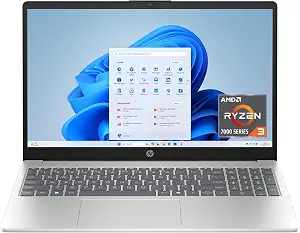
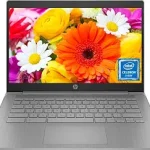
HP 15.6 inch Laptop, HD Touchscreen Display, AMD Ryzen 3 7320U, 8 GB RAM, 256 GB SSD, AMD Radeon Graphics, Windows 11 Home, Natural Silver, 15-fc0399nr
HP 15.6 inch Laptop, HD Touchscreen Display, AMD Ryzen 3 7320U, 8 GB RAM, 256 GB SSD, AMD Radeon Graphics, Windows 11 Home, Natural Silver, 15-fc0399nr (ASIN B0DWMLHYJ5)
Best Overall is the editorial pick here for shoppers who want a Windows touchscreen laptop with a familiar general-purpose configuration. The HP has an AMD Ryzen 3 7320U processor, 8 GB of onboard LPDDR5-5500 memory, and a 256 GB PCIe NVMe M.2 SSD. Windows 11 Home gives this model a different platform from the Chrome OS option in this guide. Those details make it worth considering if your laptop shortlist is centered on Windows and you prefer a solid-state drive over the Lenovo’s listed eMMC storage. They do not, by themselves, establish how the laptop will handle any particular app or workload, so match the configuration to what you actually expect to run.
The screen is described as an HD touchscreen, and the graphics are AMD Radeon Graphics. Touch can be useful when you want to point at an on-screen control directly, while a 15.6-inch display gives you a larger listed screen size than the Lenovo’s 14-inch display. Think about how you plan to use touch before making it a deciding feature: occasional taps and navigation are different priorities from selecting a laptop chiefly for a particular display resolution. The supplied details do not give a display refresh rate, so shoppers who specifically want a stated high-refresh-rate screen should compare that requirement with the Dell’s listed 120Hz display instead.
At 3.5 pounds, this HP has a stated weight to factor into a carry-around routine. Its Realtek Wi-Fi 6 (2×2) and Bluetooth 5.3 wireless card is listed as supporting gigabit data rate. For Black Friday, check that the offer is for the HP 15-fc0399nr and verify the memory, SSD capacity, operating system, and screen description on the exact listing. The 8 GB onboard memory and 256 GB SSD are key parts of this configuration, not details to gloss over when comparing alternatives. Choose this model if its Windows platform, touchscreen, and stated storage suit your needs; look elsewhere if a different operating system or a specific screen specification is more important.
Key specs
Processor
AMD Ryzen 3 7320U (up to 4.1 GHz max boost clock, 4 MB L3 cache, 4 cores, 8 threads)
Memory
8 GB LPDDR5-5500 MT/s (onboard)
Storage
256 GB PCIe NVMe M.2 SSD
Operating system
Windows 11 Home
Wireless connectivity
Realtek Wi-Fi 6 (2×2) and Bluetooth 5.3 wireless card (supporting gigabit data rate)
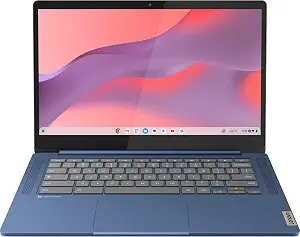
Best Budget is the editorial label for the Lenovo Flagship Chromebook, a touchscreen option built around Google Chrome OS. The listing specifies a 14-inch Full HD touchscreen, a MediaTek Kompanio 520 octa-core processor, 4GB RAM, and 64GB eMMC storage. That combination creates a different decision from choosing a Windows laptop: first consider whether Chrome OS fits the applications and routines you rely on, then decide whether the listed memory and storage fit your plans. The budget label is a comparison among these featured products, not a claim about a market-wide price or a prediction about its Black Friday offer.
The 14-inch Full HD touchscreen is a useful point of distinction for shoppers who want the resolution stated clearly in the product details. Its screen size is smaller than the 15.6-inch screens listed for the HP and Dell, which may matter if screen size is a priority when choosing where to work. The Lenovo’s processor is a MediaTek Kompanio 520 with four A73 cores at 2.0GHz and four A53 cores at 2.0GHz. Treat those specifications as a way to identify the configuration, not as a promise about the experience with a specific program. Touch may suit direct interaction with the screen, but it should not distract from checking whether Chrome OS is right for your routine.
The listing also states 4GB RAM and 64GB eMMC storage, Wi-Fi 6 (11ax 2×2), Bluetooth 5.1, and battery life of 13.5 hours. Consider what you intend to keep on the device and whether the listed capacity fits that plan; do not assume the Chromebook has a storage arrangement or expansion feature that is not specified here. For Black Friday, verify the exact Lenovo listing and confirm that it identifies the 14-inch Full HD touchscreen configuration with Chrome OS. This is a straightforward candidate to compare when you want a touchscreen Chromebook and the stated configuration meets your needs. If Windows, a larger listed memory capacity, or an SSD is essential to your decision, compare the HP and Dell details closely before choosing.
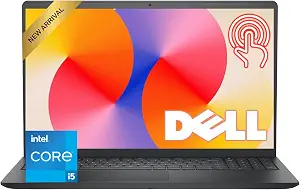
Best for a 120Hz touchscreen display is the Dell 15.6-inch FHD model. That label points to a specific listed feature, not a measured claim that it is best for every shopper. Its 15.6-inch Full HD touchscreen combines an IPS panel, anti-glare finish, and 120Hz refresh rate. If screen characteristics are high on your shortlist, those are concrete details to compare with the HP’s HD touchscreen and the Lenovo’s 14-inch Full HD touchscreen. Consider which screen description matters most for your own use, and avoid treating the word touchscreen alone as a complete account of the display.
The Dell uses a 13th Gen Intel Core i5-1334U processor with 10 cores and speeds up to 4.60GHz. It is listed with 8GB DDR4 RAM, a 512GB SSD, and Windows 11 Home. Together, these specifications describe a different configuration from the Lenovo Chromebook’s 4GB RAM and 64GB eMMC, and from the HP’s 8 GB onboard LPDDR5-5500 memory and 256 GB SSD. Those differences can help narrow a shortlist, but they do not establish a universal performance ranking. Think about the operating system and capacities you need, then use the processor and memory details to confirm you are comparing the intended model.
Other listed features include an FHD 1080p webcam and battery life of up to 9 hours. The battery figure is expressly an ‘up to’ claim, so use it as a stated specification rather than a guarantee for every pattern of use. During Black Friday, check that the offer is for this Dell touchscreen configuration and confirm the 120Hz display, 512GB SSD, Windows 11 Home, and webcam details on the exact listing. This model makes sense to shortlist if its screen features are central to your decision and its other specifications align with your needs. If you are choosing mainly by operating system, storage, or portability, compare those factors directly with the other listed options instead of letting the refresh rate decide everything.
Key specs
Processor
13th Gen Intel Core i5-1334U processor with 10 cores and speeds up to 4.60GHz
Memory
8GB DDR4 RAM
Storage
512GB SSD
Display
15.6-inch Full HD touchscreen with a 120Hz refresh rate, IPS panel, and anti-glare finish
Operating system
Windows 11 Home
Webcam
FHD 1080p webcam
Battery life
up to 9 hours of battery life
Start with the way you’ll use touch
A touchscreen is most useful as a deliberate part of your routine, not just a line on a product page. Picture the moments when you would reach toward the display: selecting a control, navigating a page, or interacting directly with what is on screen. If you cannot name a regular reason to do that, you may want to weigh other specifications more heavily. If direct interaction matters, compare the screen descriptions rather than treating every touchscreen as interchangeable. The HP is listed with an HD touchscreen, the Lenovo with a 14-inch Full HD touchscreen, and the Dell with a 15.6-inch Full HD touchscreen, IPS panel, anti-glare finish, and 120Hz refresh rate. These are distinct descriptions, not a basis for claiming that every shopper will prefer one. During Black Friday browsing, start from your use case, then verify that the specific listing matches the screen details you value. That keeps an attractive offer from becoming a substitute for deciding what you want the screen to do.
Choose the software environment you already understand
The largest practical distinction among these three models is their listed operating system. The HP and Dell come with Windows 11 Home; the Lenovo runs Google Chrome OS. Think through the applications and routines you depend on, and check their requirements independently before deciding. The product information here does not establish compatibility with any particular app or service, so do not infer that from a processor name or a touchscreen feature. A Windows preference points your comparison toward the HP and Dell, after which their display, memory, and storage details can help separate them. A Chrome OS preference makes the Lenovo the relevant option in this group, but its 4GB RAM and 64GB eMMC are still worth considering against your plans. Black Friday can put different operating systems side by side on the same shopping page; pause to confirm which one the exact offer includes. That simple check helps prevent choosing based on a screen or processor detail while overlooking the software environment you will use every day.
Match memory and drive capacity to your plans
Memory and storage describe different parts of a laptop configuration, so compare them separately. The HP lists 8 GB of onboard LPDDR5-5500 memory and a 256 GB PCIe NVMe M.2 SSD. The Dell lists 8GB DDR4 RAM and a 512GB SSD. The Lenovo lists 4GB RAM and 64GB eMMC storage. If you plan to keep files on the laptop, consider whether the stated storage capacity fits that plan; if your everyday routine involves multiple programs, pay attention to the listed memory as well. These figures do not reveal how much space your own files will occupy or how any particular application will behave. They do make it easier to check whether two Black Friday listings are truly the configurations you meant to compare. Do not assume a product with a similar name has the same capacity, and do not treat SSD and eMMC as identical labels. Write down your preferred operating system, memory, and storage first, then use those requirements to rule in or out the exact models.
Read screen details beyond the size
Screen size is only one part of choosing a touchscreen laptop. This group includes a 15.6-inch HD touchscreen on the HP, a 14-inch Full HD touchscreen on the Lenovo, and a 15.6-inch Full HD touchscreen on the Dell. The Dell’s listing also specifies an IPS panel, anti-glare finish, and 120Hz refresh rate. If resolution, refresh rate, or a finish is important to you, confirm that the exact configuration states the feature; do not transfer a detail from one model to another. Consider where you expect to use the laptop and what you want to see or do on the display, but avoid assuming an unlisted screen characteristic. The HP’s product name identifies its screen as HD, while the Lenovo and Dell listings specify Full HD. For Black Friday, compare full screen descriptions alongside the offer rather than filtering only for the word touchscreen. This is especially useful when several listings appear similar: a careful read can make the differences relevant to your own priorities without relying on a headline or an assumed upgrade.
Use the secondary details to settle close choices
Once operating system, screen, memory, and storage are in view, check the remaining specifications that matter to your routine. The HP lists Realtek Wi-Fi 6 (2×2), Bluetooth 5.3, and a weight of 3.5 pounds. The Lenovo lists Wi-Fi 6 (11ax 2×2), Bluetooth 5.1, and battery life of 13.5 hours. The Dell lists an FHD 1080p webcam and battery life of up to 9 hours. These are useful points for comparison, but they are not interchangeable promises: the Dell battery figure is qualified as ‘up to,’ and the listed battery details do not tell you what to expect under every use pattern. Think about whether wireless details, a stated webcam, weight, or battery information affect your choice. On Black Friday, use these as tie-breakers only after confirming the exact product and core configuration. Before committing, compare the listing title and specifications with your shortlist, including the operating system and touchscreen description. That final pass can catch a mismatch between the model you intended to buy and the offer you are viewing.
Make your Black Friday choice
A useful touchscreen laptop choice begins with fit: decide whether touch belongs in your regular routine, select the operating system that suits your plans, and set minimum requirements for memory, storage, and display. Then compare the HP’s Windows configuration, the Lenovo’s Chrome OS setup, and the Dell’s 120Hz touchscreen details against those priorities. For Black Friday, verify the exact model and configuration on the listing rather than assuming that a deal headline covers every version. Check the screen description, operating system, memory, storage, and any secondary feature that matters to you. The best choice in this group is the one whose stated details match your needs—not simply the one with the most prominent feature.